




Industrial Epoxy Flooring: The Future of the Concrete Coatings Industry
The construction and manufacturing industries are constantly evolving, influenced by rapid technological advancements and shifting consumer expectations. In recent years, a marked shift toward sustainable and resilient building materials has brought increased attention to the use of industrial epoxy flooring. As the industry explores long-term solutions for facility management, resinous coatings have emerged as a frontrunner due to their unique chemical properties and distinct advantages over traditional thin-film coatings.
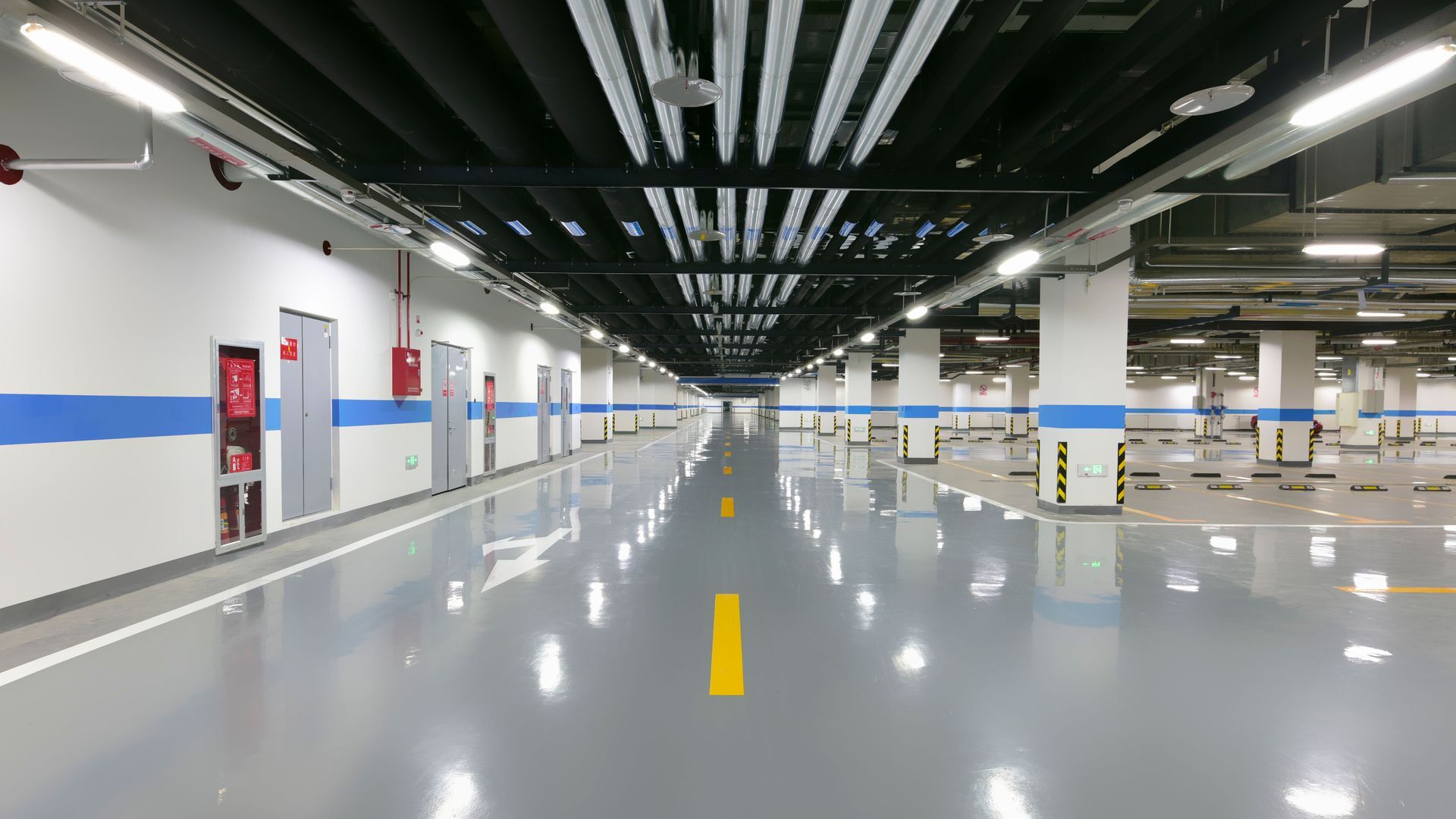
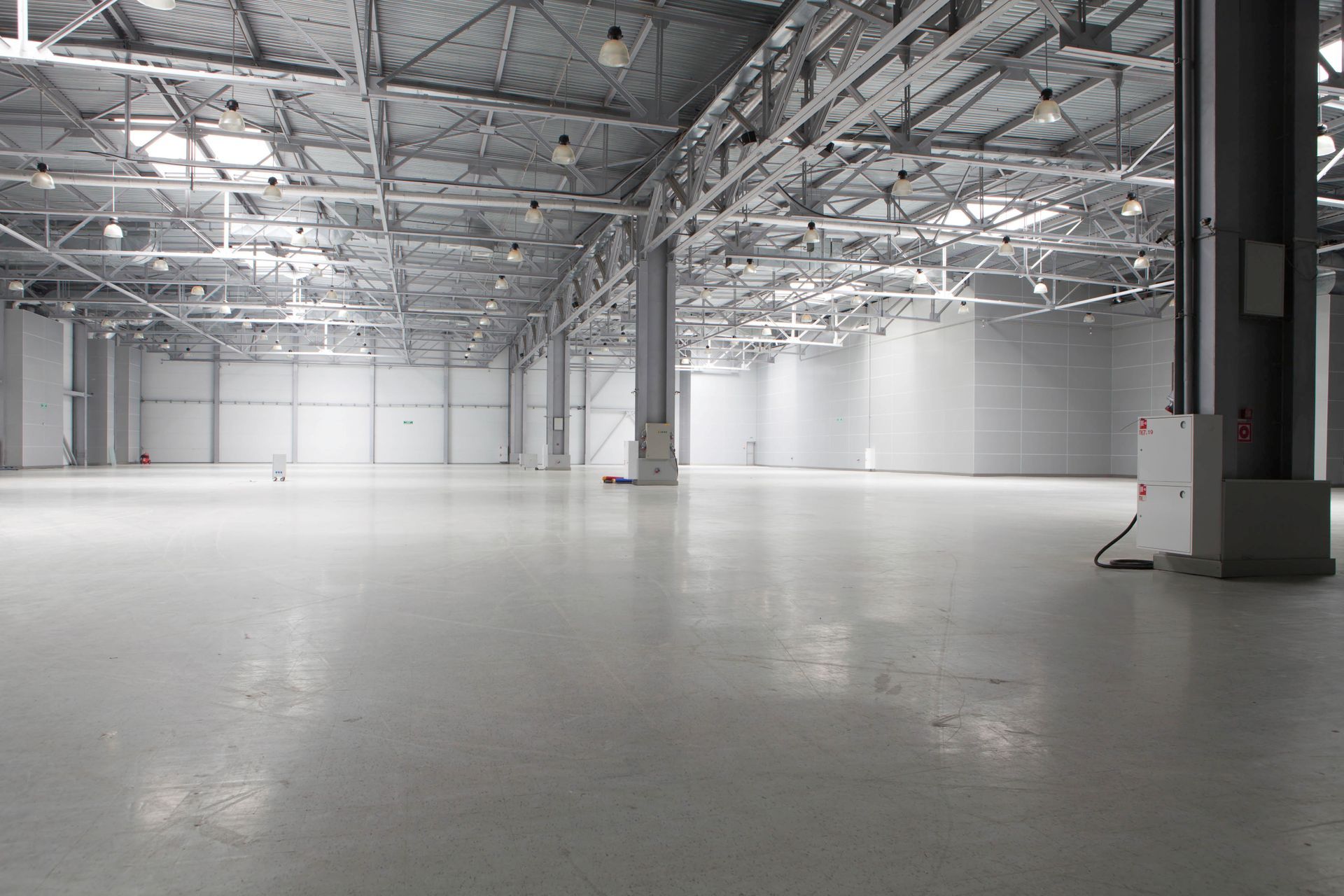
By offering superior performance in diverse environments—from high-traffic warehouses to sterile medical labs—epoxy is gaining significant global traction. It positions itself as a transformative force within the concrete coatings sector, setting new benchmarks for durability, aesthetics, and environmental stewardship. The economic outlook for this sector remains robust. According to Grand View Research, the concrete floor coatings market is expected to reach $472 million in revenue by 2030, underscoring the vital role these systems play in modern infrastructure.
Understanding Resinous Surface Technology
Industrial epoxy flooring is a sophisticated surface treatment comprised of a liquid polymer resin and a chemical hardening agent. When these two components are meticulously mixed, they initiate a cross-linking reaction that forms a rigid, plastic-like structure. This cured material is then applied to concrete substrates, resulting in a seamless, high-performance barrier. This type of flooring is renowned for its exceptional bond strength and resistance to both mechanical impact and aggressive chemical exposure. The precision of modern formulations ensures that systems can be tailored to suit specific operational needs, such as slip-resistance or antimicrobial protection.
Reviewing Historical Development and Evolution
The journey of resinous coatings began in the mid-20th century, coinciding with a surge in demand for more resilient factory surfaces. Initially introduced for basic applications in warehouses, its popularity grew as its multifaceted benefits became widely recognized. Over the decades, advancements in materials science have expanded its applicability. Today's systems incorporate cutting-edge innovations that enhance both structural integrity and visual clarity.
Identifying Diverse Epoxy Systems
Several variations of resinous flooring exist, each engineered for distinct environments:
- Self-Leveling Systems: These provide a perfectly smooth surface ideal for areas requiring strict hygiene, such as laboratories.
- Mortar Systems: Utilizing sand or quartz, these offer the highest durability for settings with heavy machinery.
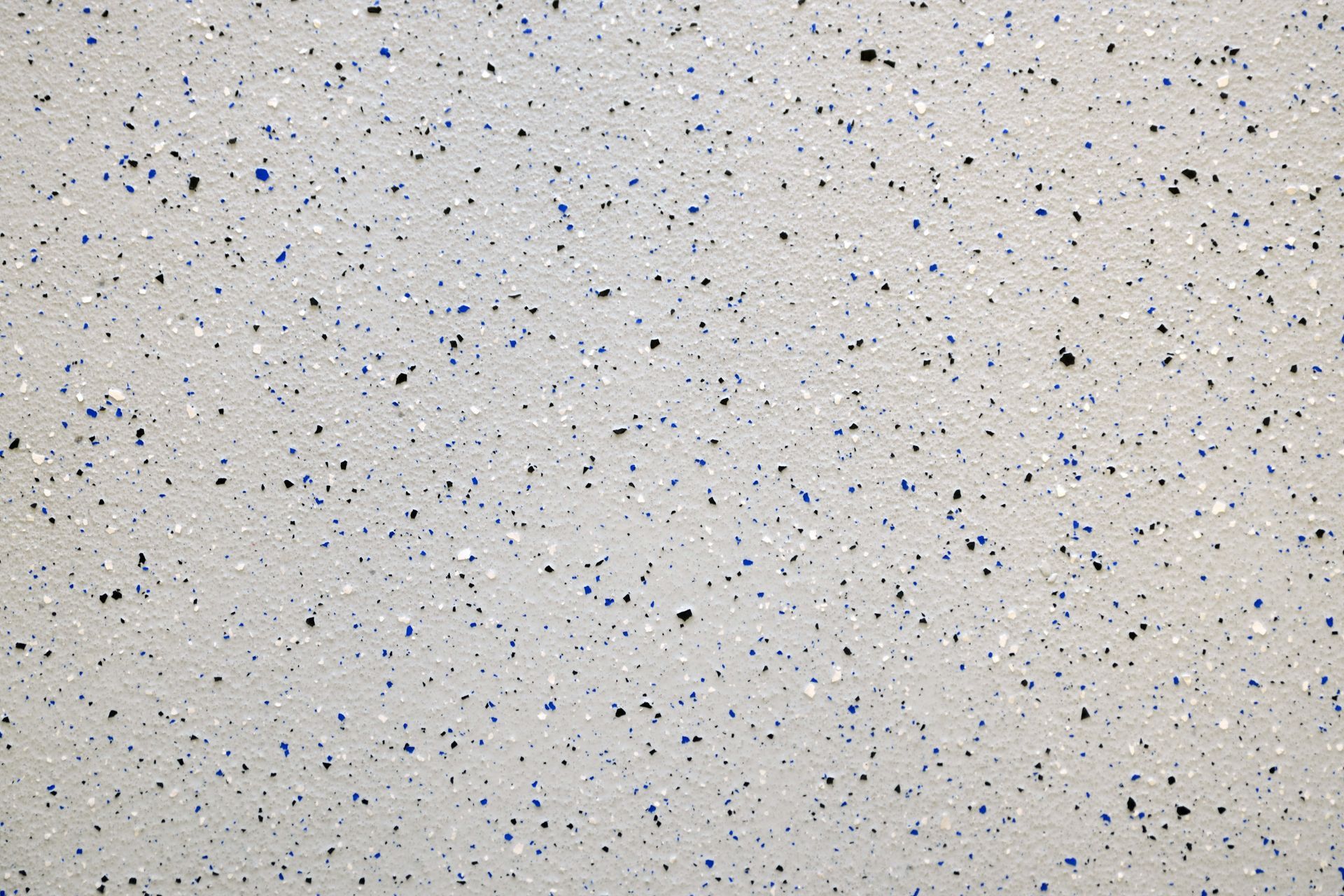
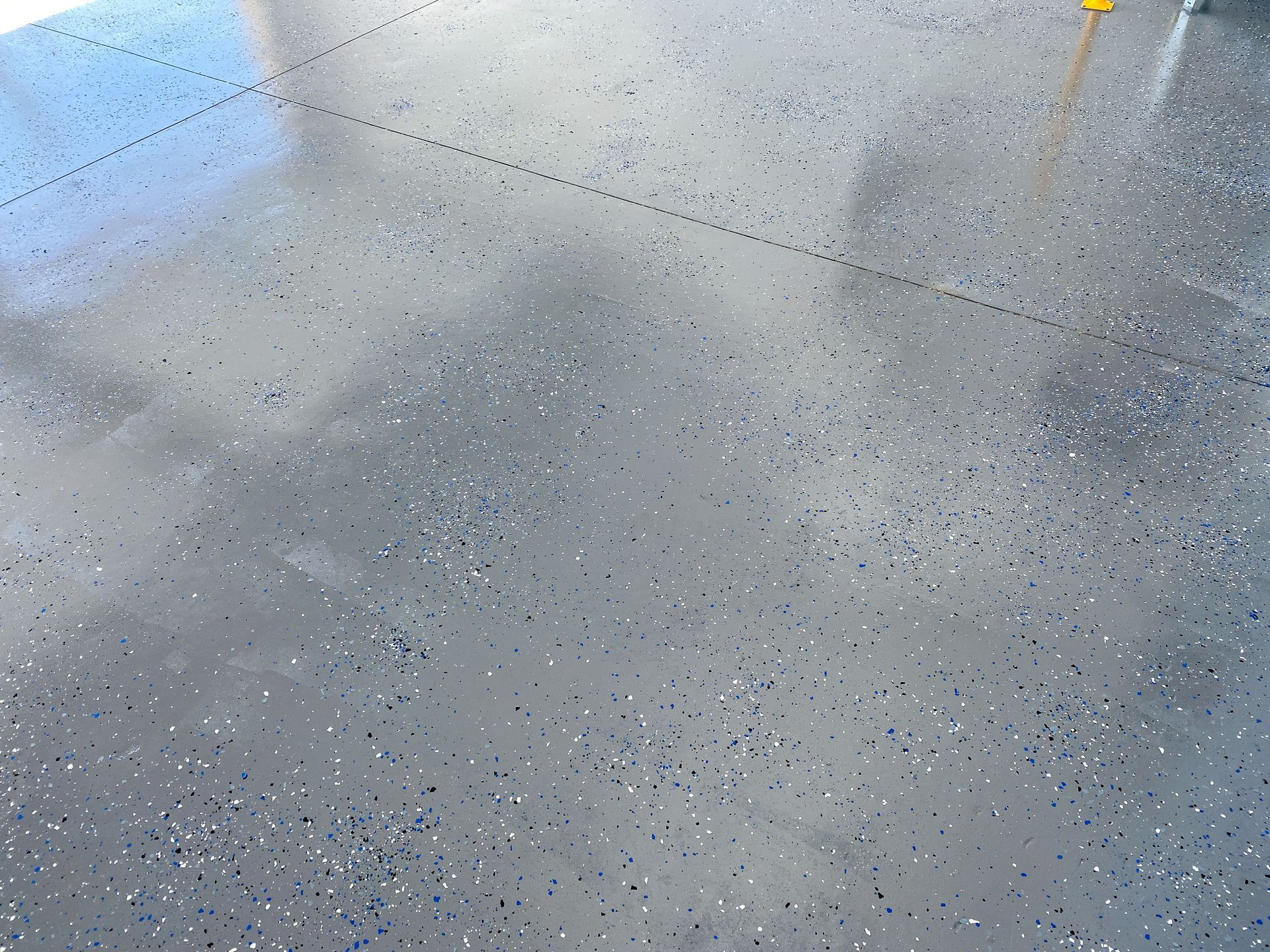
- Flake Systems: Integrating decorative chips, these create an aesthetically pleasing surface that hides imperfections.
- Quartz Systems: Combining high-performance epoxy with colored quartz granules for extreme slip resistance.
Evaluating Performance and Characteristics
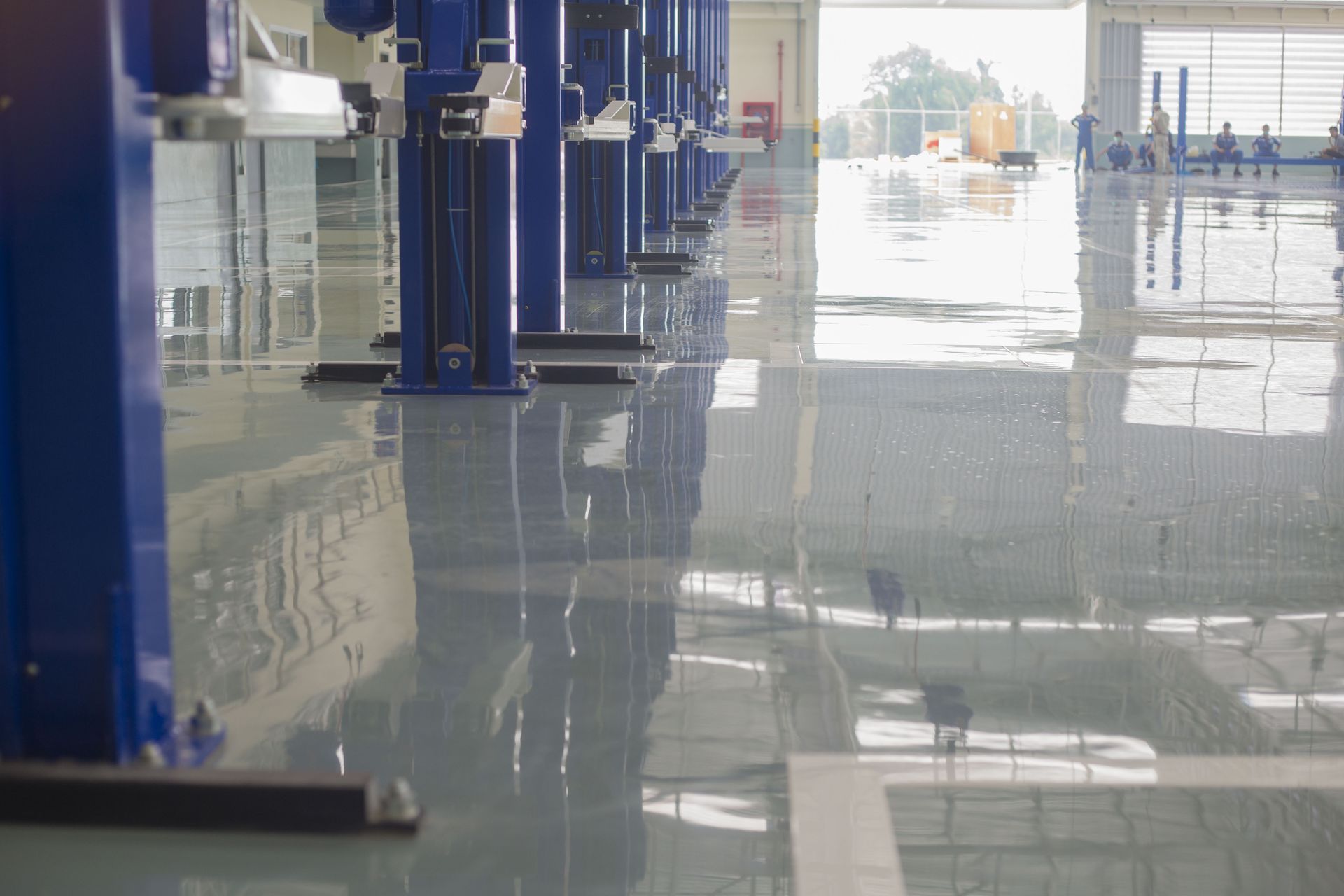
The durability of industrial epoxy flooring is perhaps its most celebrated attribute, surpassing traditional concrete paints by a significant margin. The resin forms a thick, hard-wearing layer that effectively withstands the constant friction of high-traffic zones. Unlike conventional coatings that may flake or peel under pressure, epoxy maintains its bond and performance even when subjected to the demanding conditions of a manufacturing facility. This longevity provides economic relief by reducing the frequency of floor replacements.
Testing Chemical and Stain Resistance
One of the core reasons for the broad adoption of industrial epoxy flooring is its exceptional resistance to oils, acids, and solvents. In sectors like pharmaceuticals or chemical processing, these surfaces offer an impenetrable barrier that prevents hazardous substances from reaching the soil. Traditional concrete is porous and can be easily eroded or stained, whereas epoxy creates a sanitary, neat floor system that is simple to decontaminate.
Improving Safety and Traction
Safety is an indispensable consideration in any industrial environment. Resinous flooring contributes significantly to workplace safety through customizable surface textures. By incorporating aggregates, installers can create a stout system that enhances traction even when the floor is wet. Coatings can also be used to create clear safety demarcations or colored zones, improving organizational flow and compliance with safety regulations.
Executing the Installation Process
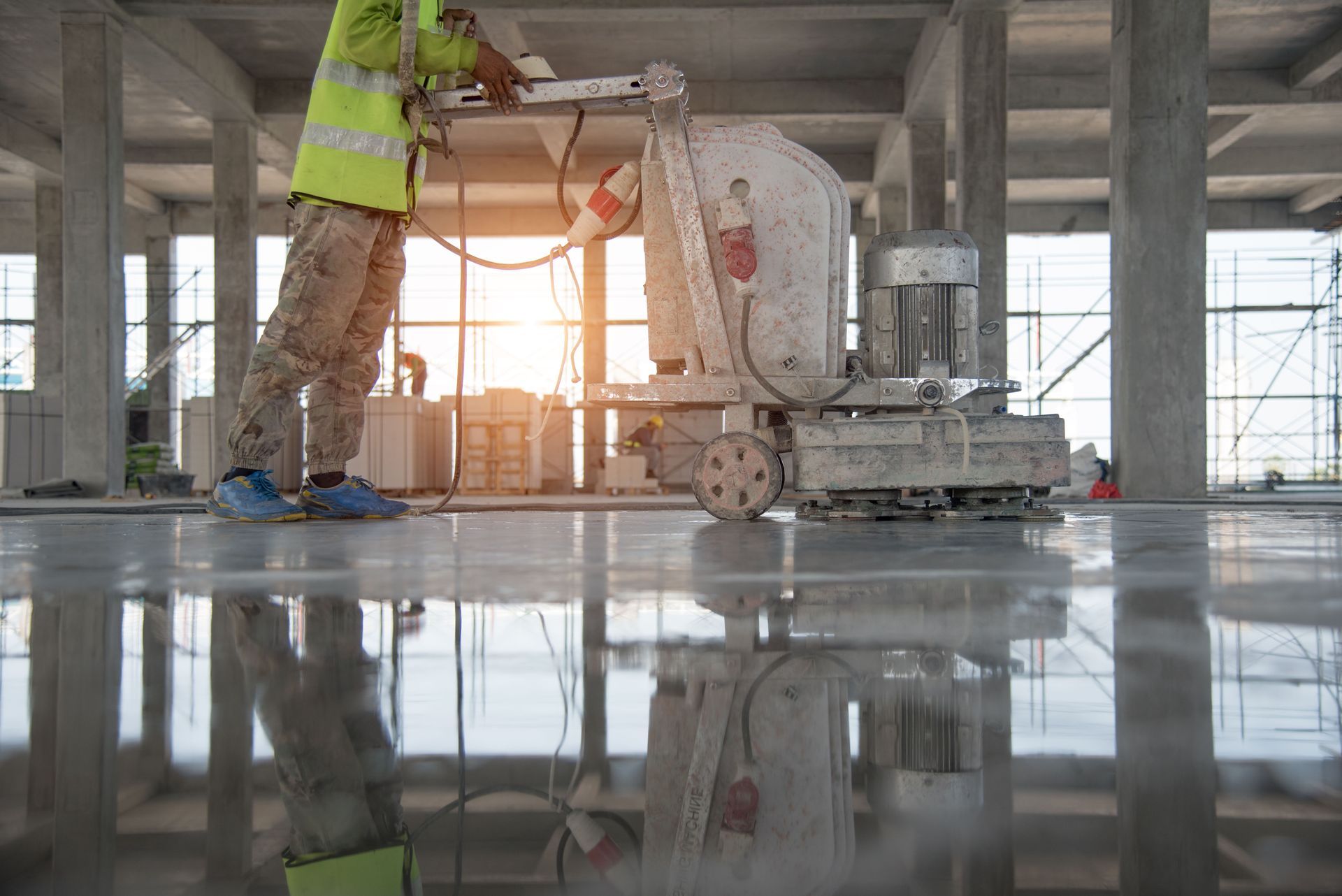
The success of any industrial epoxy flooring project is heavily contingent on meticulous surface preparation. Technicians must conduct an initial assessment to identify cracks, spalls, or moisture issues. Proper decontamination—removing oils and grease—is fundamental to ensuring a strong bond. Mechanical processes, such as diamond grinding or shot blasting, are employed to open the pores of the concrete, creating a profile that allows the epoxy to anchor itself deeply into the slab.
Applying the Resinous Layers
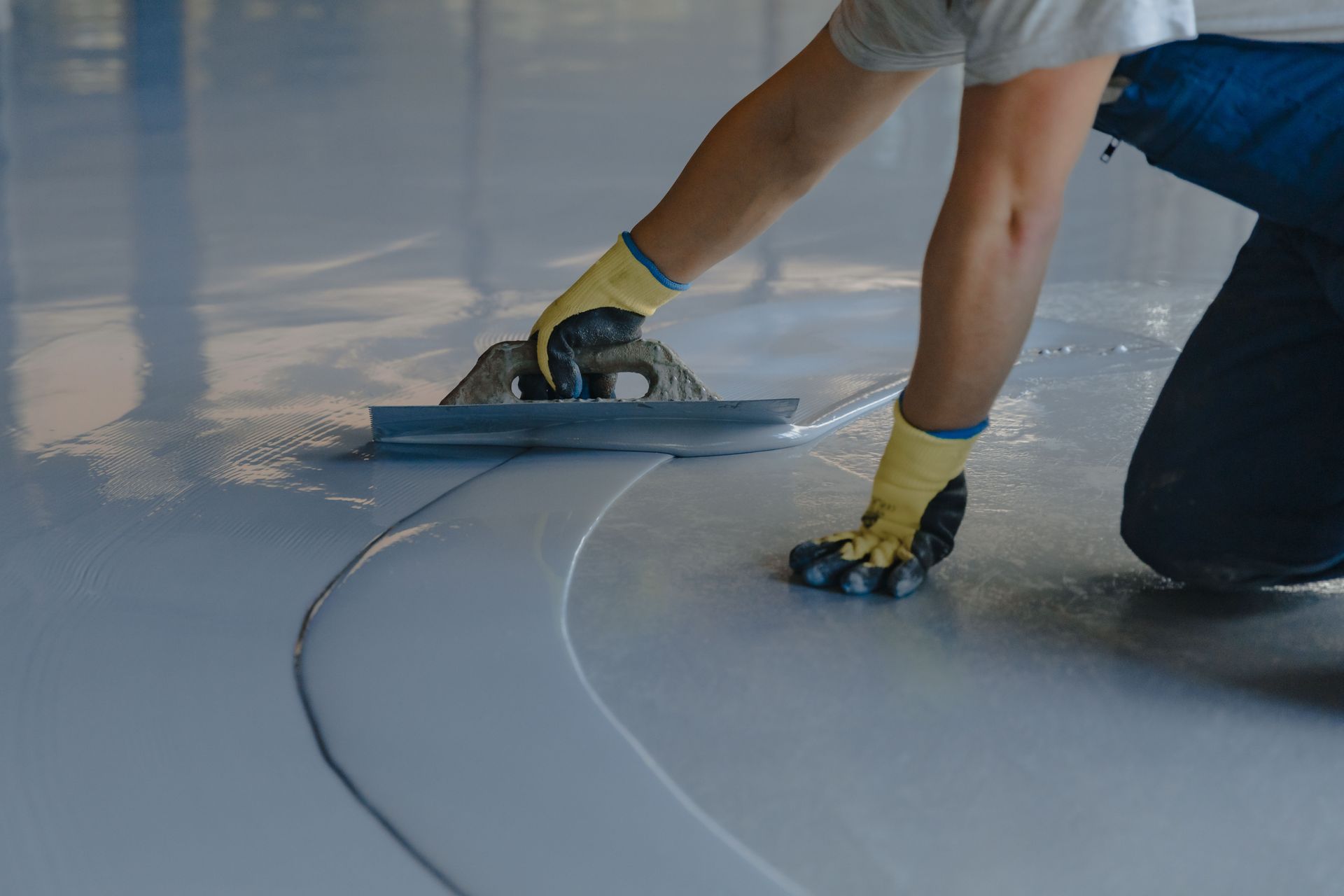
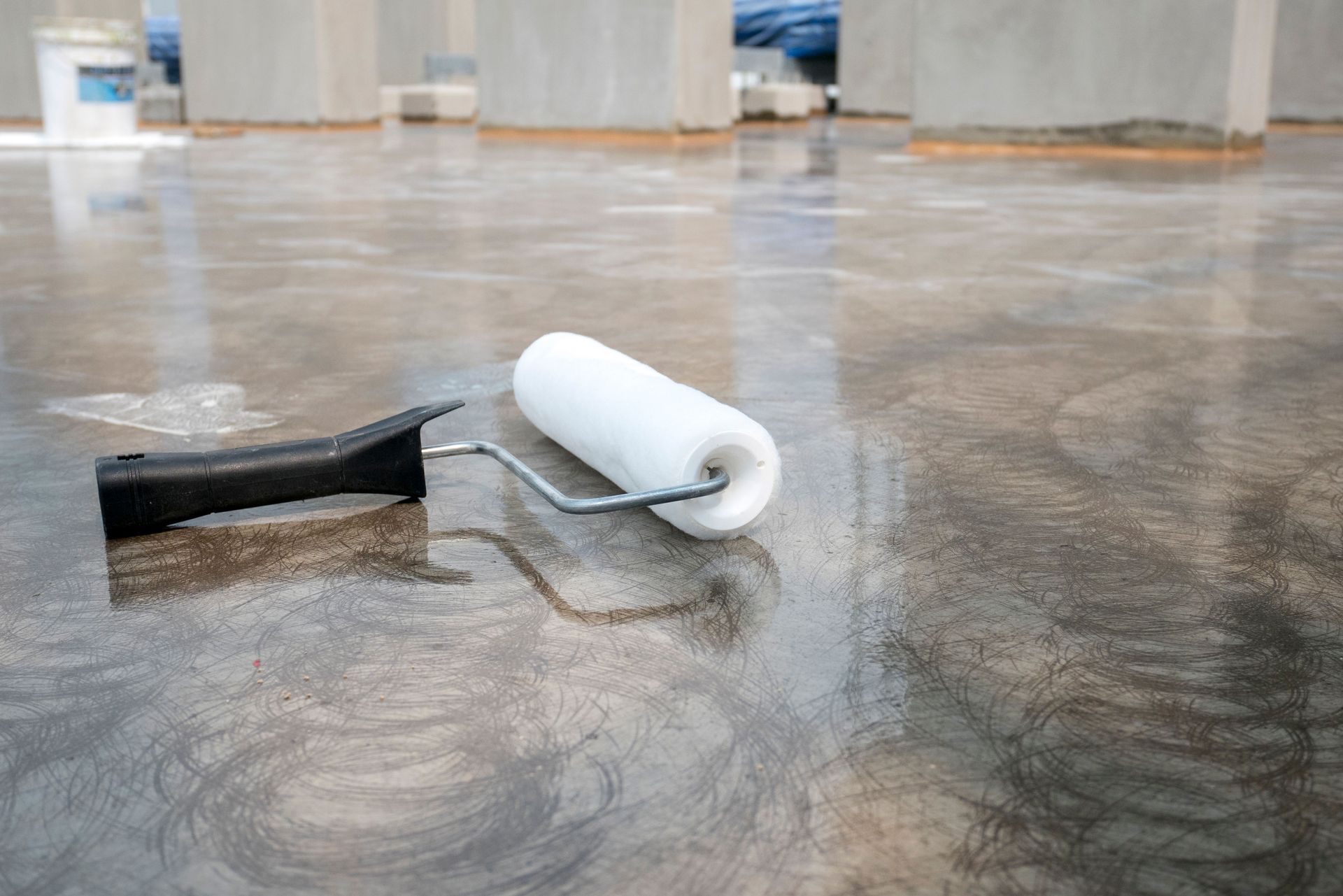
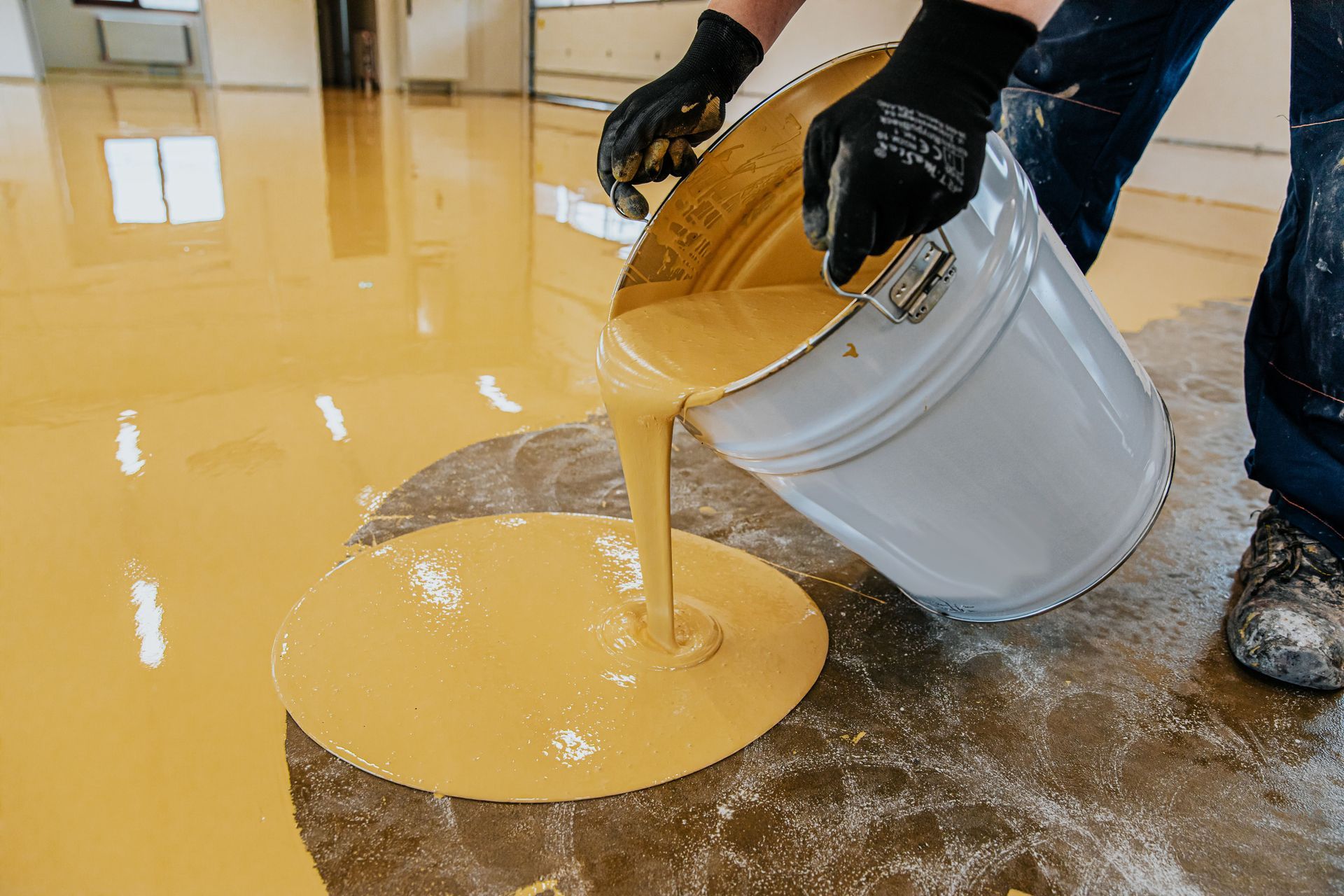
After preparation, the epoxy is applied in controlled stages. This often begins with a primer layer, followed by a body coat, and finally a high-performance top coat. Precision is paramount during the application to ensure a uniform thickness across the entire facility. Specialized equipment, like squeegees and spiked rollers, is used to eliminate air bubbles and ensure the surface is perfectly level.
Managing Curing and Drying Times
Once the application is complete, the floor must undergo a chemical curing process. Depending on the formulation—whether it is a standard epoxy, a urethane cement system, or methyl methacrylate—curing times can vary greatly. During this period, the environment must remain undisturbed to prevent surface imperfections. Adhering to manufacturer guidelines is essential to ensuring the flooring attains its intended mechanical strength.
Considering Economic Impact and Efficiency
While the initial cost of industrial epoxy flooring may be higher than that of basic concrete sealers, the total cost of ownership is remarkably low. When you factor in the reduced need for repairs and the ease of cleaning, the economic advantage becomes clear. A robust resinous surface can extend the lifespan of the underlying slab, protecting the facility's most expensive structural component.
Increasing Property and Operational Value
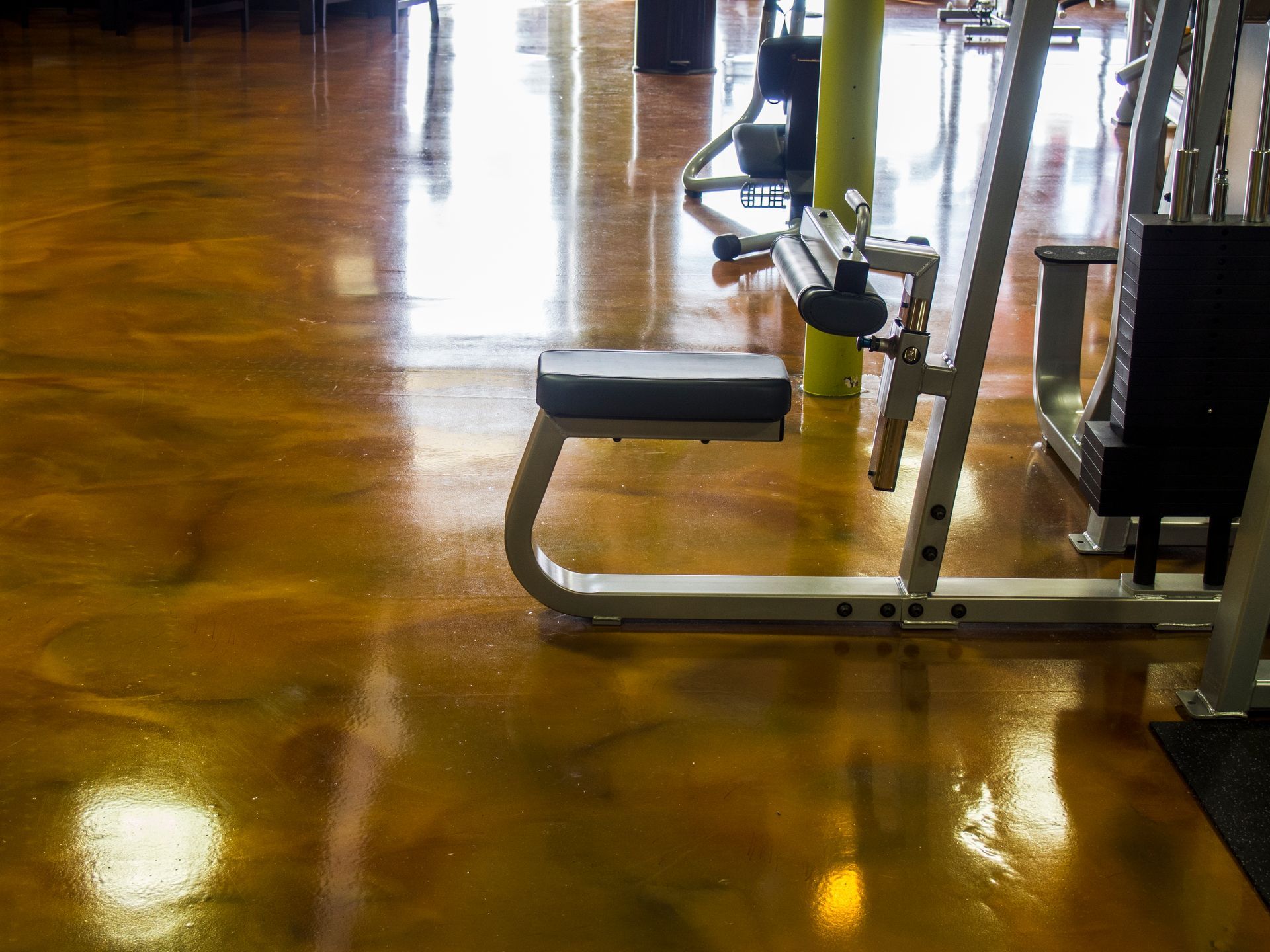
The installation of a high-performance floor system can enhance the overall value of a commercial property. A sleek, polished finish attracts potential tenants and investors who prioritize facilities that are move-in ready. The light reflectivity of a high-gloss paramount system can also reduce the need for artificial lighting, leading to lower utility bills and improved energy efficiency.
Exploring Future Innovations and Sustainability
Environmental responsibility is a growing concern in the construction world. Modern research is focused on reducing volatile organic compounds (VOCs) and incorporating bio-based materials into resins. By prioritizing urethane cement and water-based top coats, the industry is moving toward a more sustainable footprint. These advancements allow businesses to improve their facilities while meeting strict environmental standards.
Integrating Smart Building Technology
Industrial epoxy flooring is finding a new role within smart buildings. Innovations include the integration of floor sensors that can monitor temperature, pressure, or even foot traffic patterns in real-time. Some specialty coatings are being developed to interact with building management systems to assist in climate control and energy monitoring, showing that the floor is more than just a surface—it is a functional part of the building's nervous system.
Resinous surfacing technology represents a pioneering development within the construction sector, offering a unique blend of durability, safety, and aesthetic customization. Its ability to protect concrete while improving operational efficiency makes it a vital tool for any modern facility manager. As we look toward the future, the continued growth and innovation within this market will ensure that epoxy remains a cornerstone of high-performance architecture.
When you are ready to upgrade your facility with a surface that is as tough as your operations, you need a partner with specialized expertise in the Florida market. We offer a comprehensive range of solutions, including the REFLECTOR enhancer system for decorative appeal and the urethane cement system for extreme environments. From decorative concrete to high-strength epoxies, our team provides the precision required for a flawless finish. Contact Elite Crete Systems Florida today to discover how our flooring solutions can transform your facility into a safer, more efficient, and more valuable asset.
Share On: