




Commercial Epoxy Flooring vs Traditional Concrete Surfaces
Selecting the right material for business facilities requires a careful balance of long-term durability, structural safety, and minimal daily maintenance. Industrial spaces and commercial operations face constant foot traffic, heavy equipment transport, and potential chemical spills every day. While bare concrete has historically served as the default choice for many commercial layouts, modern operations demand more resilient options. Comparing the performance metrics of advanced coatings against conventional building materials reveals a stark contrast in longevity and safety. Upgrading to a specialized seamless overlay fundamentally transforms an ordinary slab into a high-performance asset that withstands intense daily operations.
Understanding the Structural Limitations of Bare Concrete Surfaces
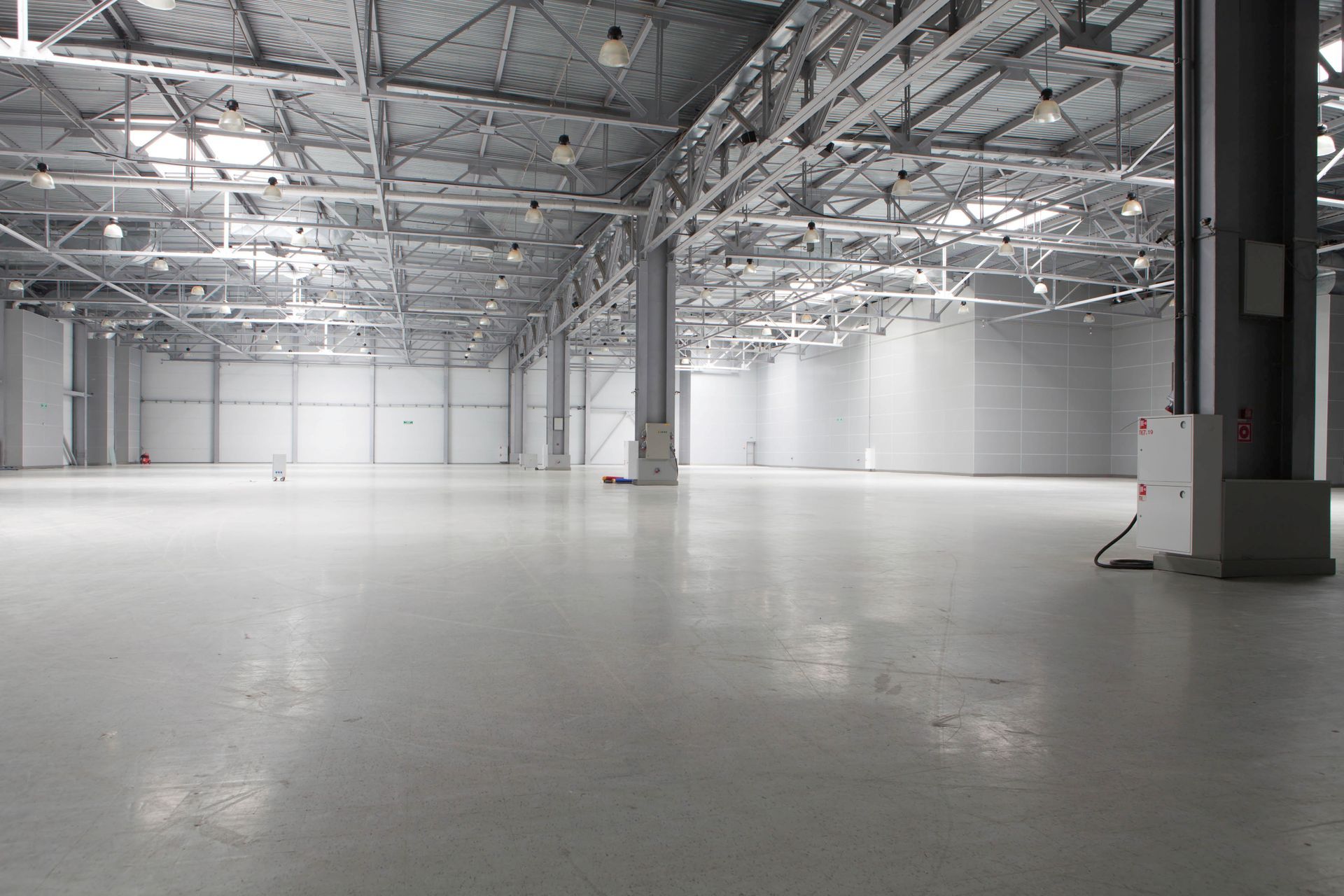
Standard concrete appears solid at first glance, but it is actually a highly porous, stone-like material. Without a protective barrier, standard concrete absorbs liquids, oils, and industrial chemicals quite rapidly, which leads to deep structural staining and premature cracking over time. Furthermore, raw concrete naturally generates fine particulate dust as it slowly wears down under heavy foot traffic and machinery use. This airborne dust settles onto merchandise, complicates daily cleaning routines, and can even compromise sensitive HVAC filtration systems. In high-traffic environments, untreated concrete surfaces also tend to spall, creating minor pits and uneven areas that present distinct operational challenges.
Examining the Structural Benefits of Professional Epoxy Flooring
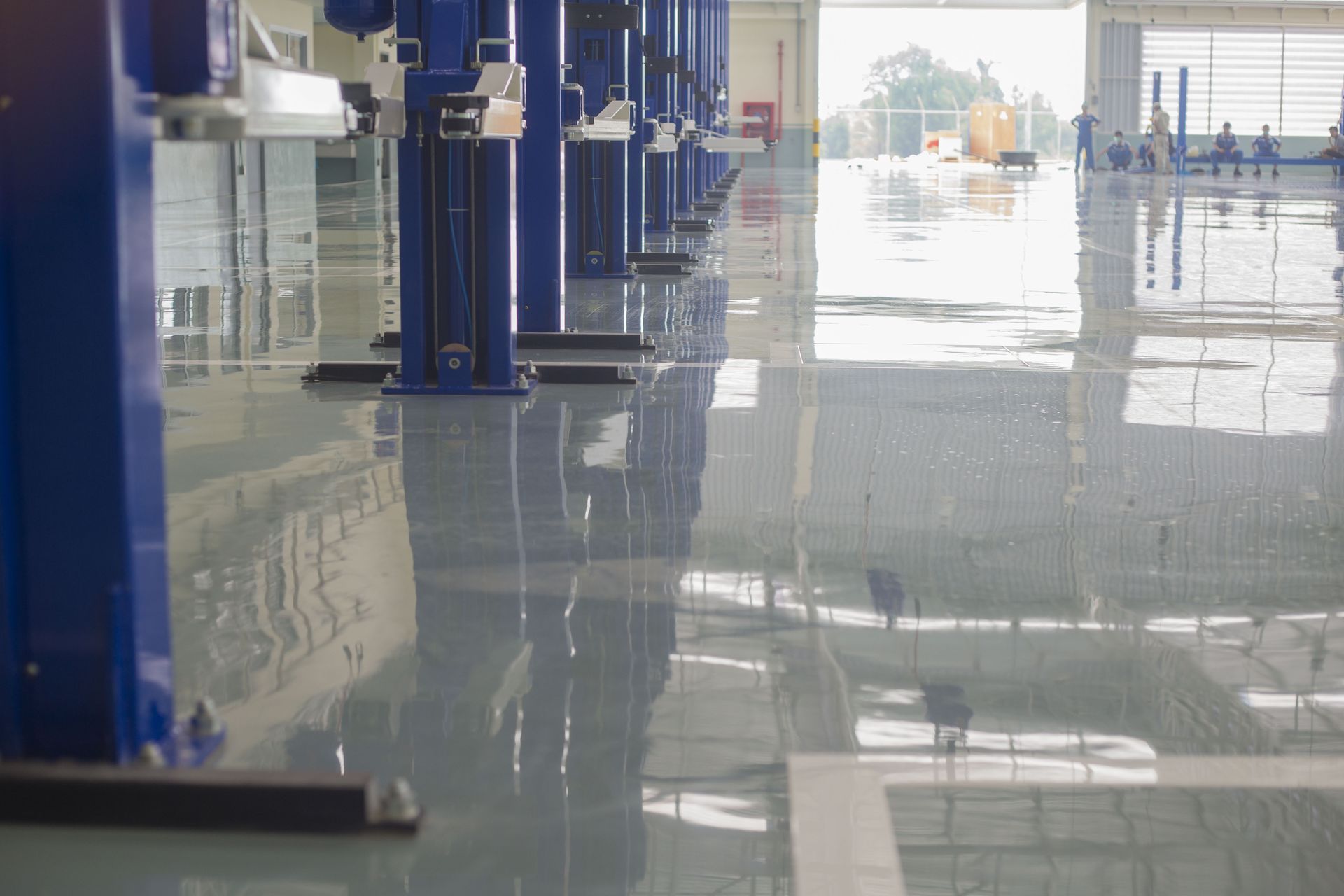
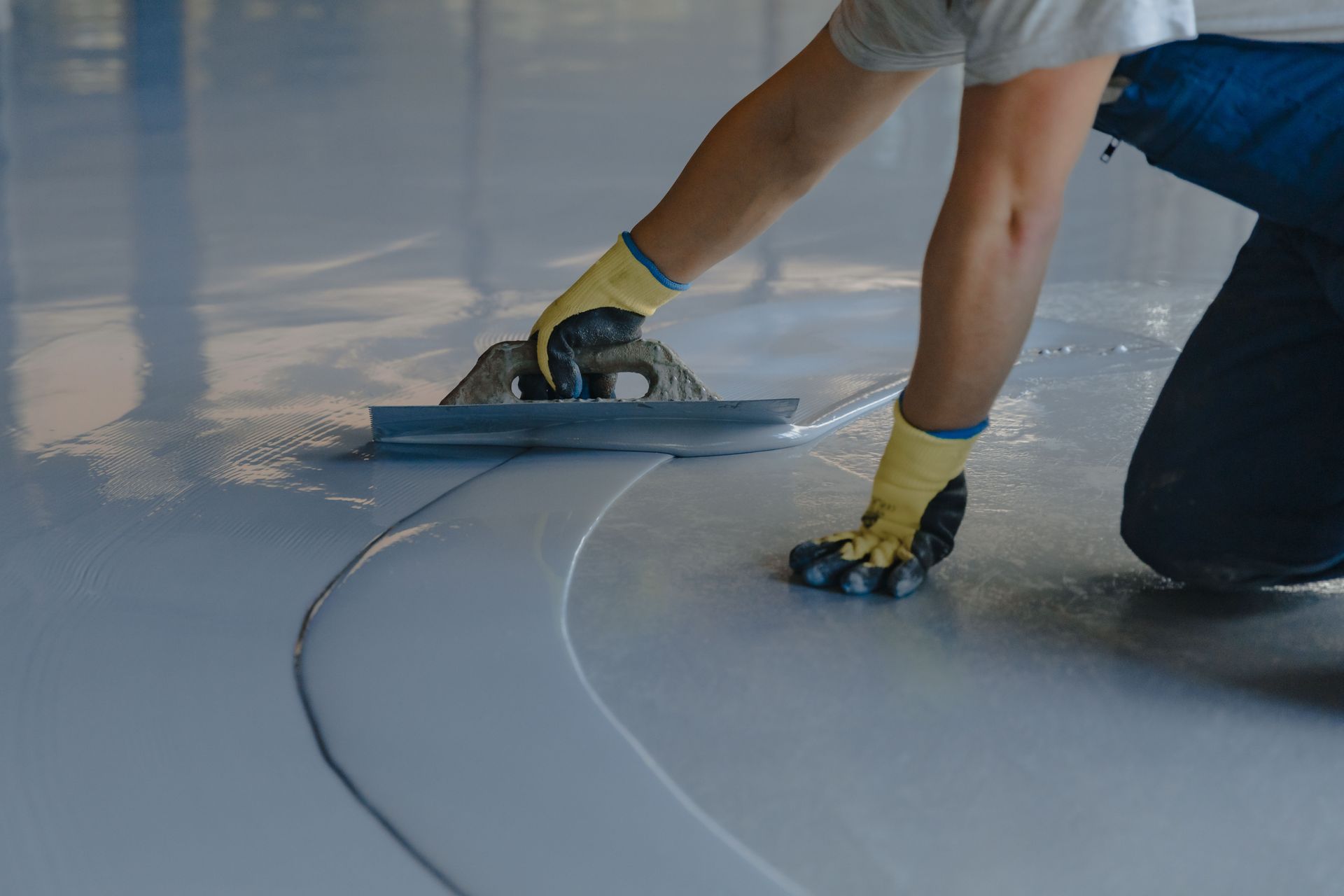
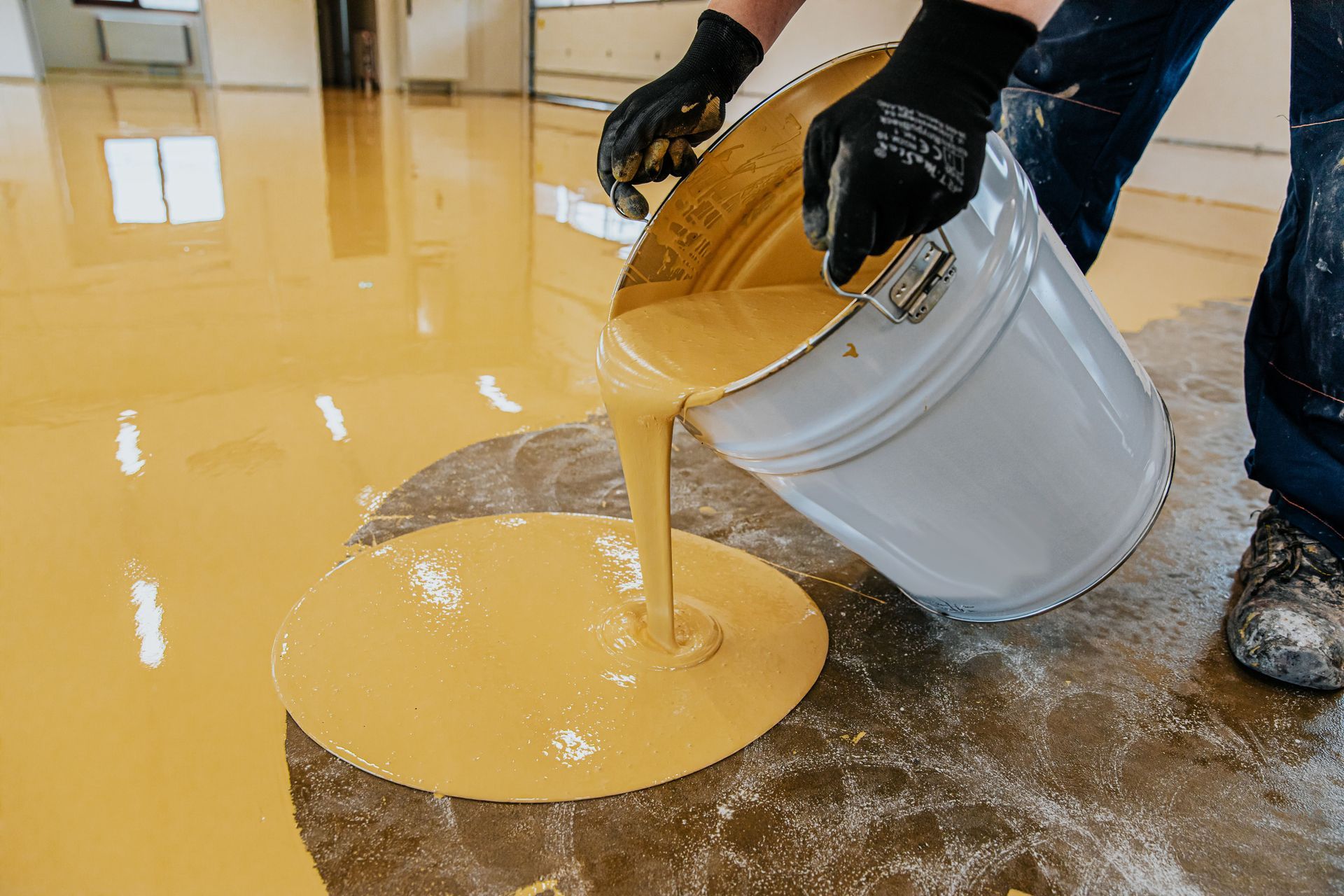
An advanced resinous overlay completely changes the physical characteristics of a standard concrete foundation. Applying high-grade epoxy flooring creates an entirely non-porous, monolithic barrier that prevents moisture and harsh chemicals from penetrating the underlying slab. This specialized coating chemically bonds directly to the prepared concrete substrate, creating a surface that resists impact from dropped tools and heavy wheeled carts. Because the resulting finish is completely seamless, there are no grout lines, seams, or deep cracks where dirt, grime, or moisture can accumulate. This makes the entire layout exceptionally easy to sanitize and maintain using standard industrial cleaning equipment.
Analyzing Traffic Endurance and Long-Term Wear Resistance
Commercial facilities require materials that can handle the rigorous demands of forklifts, pallet jacks, and thousands of walking customers. Raw concrete often degrades under continuous mechanical stress, resulting in deep ruts, surface crumbling, and localized structural failure that requires costly localized patching. Conversely, industrial epoxy flooring distributes heavy weight loads much more evenly across the entire structural subfloor. The hardened resin barrier prevents localized abrasion, ensuring that the facility floor retains its smooth, professional appearance for decades. This superior wear resistance directly translates into fewer operational disruptions and significantly lower building maintenance costs over the lifespan of the property.
Addressing Workplace Safety and Important Slip Resistance Statistics
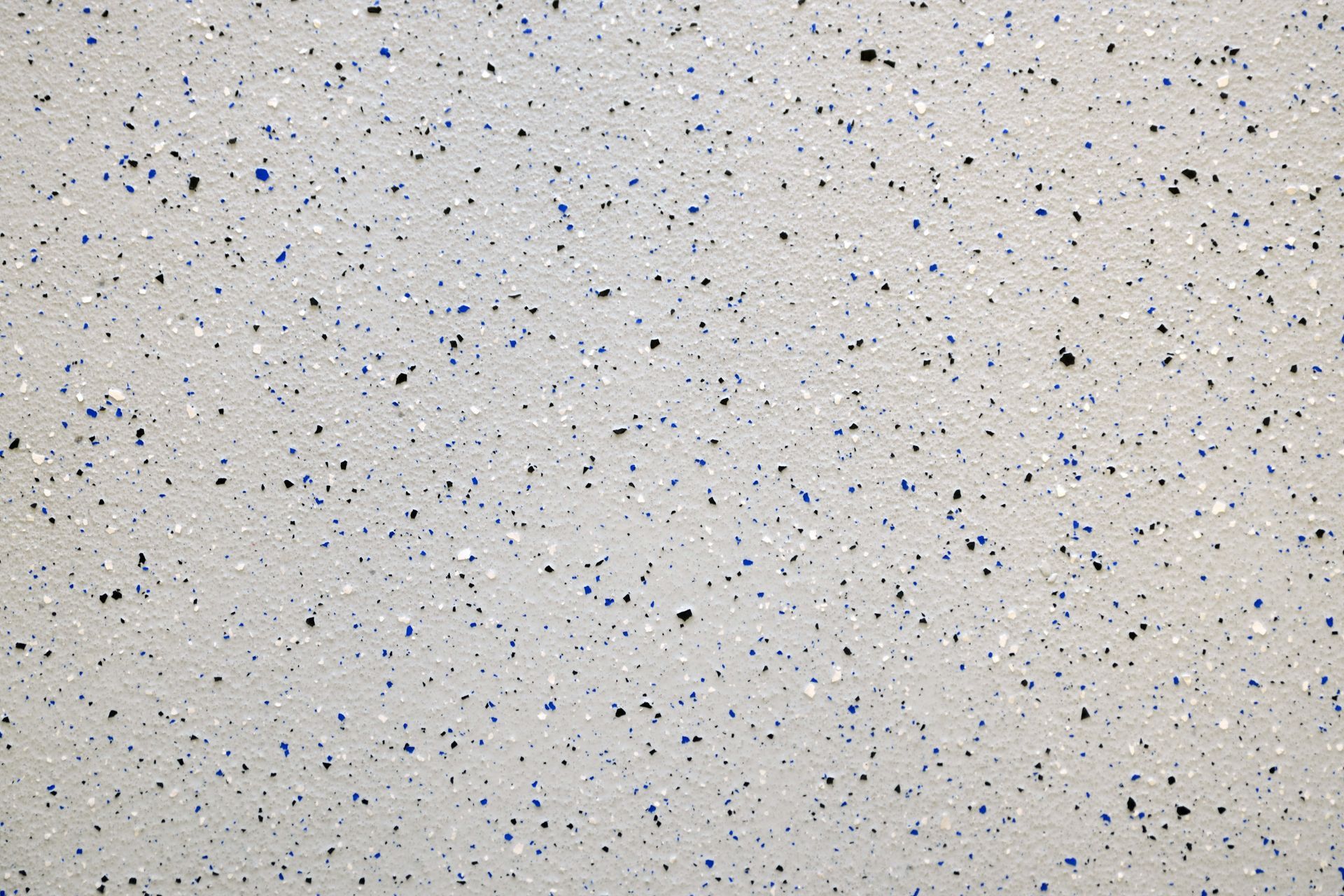
Maintaining a safe environment for employees and visiting clients remains a primary priority for any commercial property manager. According to Nationwide, slips, trips, and falls account for approximately 35% of nonfatal emergency department visits each year, increasing demand for slip-resistant commercial flooring solutions. Uncoated concrete can become dangerously slick when wet, especially in areas prone to liquid spills, rainwater tracking, or routine washdowns. Professional installers easily integrate specialized texturing aggregates into the resin layers during the application process. This customization provides predictable traction underfoot, helping businesses proactively manage liability and foster a safer environment for daily operations.
Evaluating the Chemical Resistance and Cleanliness of the Facility
In environments like automotive garages, manufacturing centers, and commercial kitchens, chemical exposure is a constant daily reality. Harsh cleaning agents, motor oils, acidic foods, and industrial solvents will chemically erode bare concrete, leading to permanent structural pitting. Utilizing a resilient epoxy flooring system protects the subfloor from chemical attack, as the topcoat resists degradation from most industrial compounds. This chemical inertness ensures that spills remain completely on the surface, where cleanup crews can safely wipe them away without leaving permanent stains or odors. This high level of chemical resistance keeps facilities compliant with strict industry cleanliness standards.
Assessing Light Reflectivity and Aesthetic Customization Options
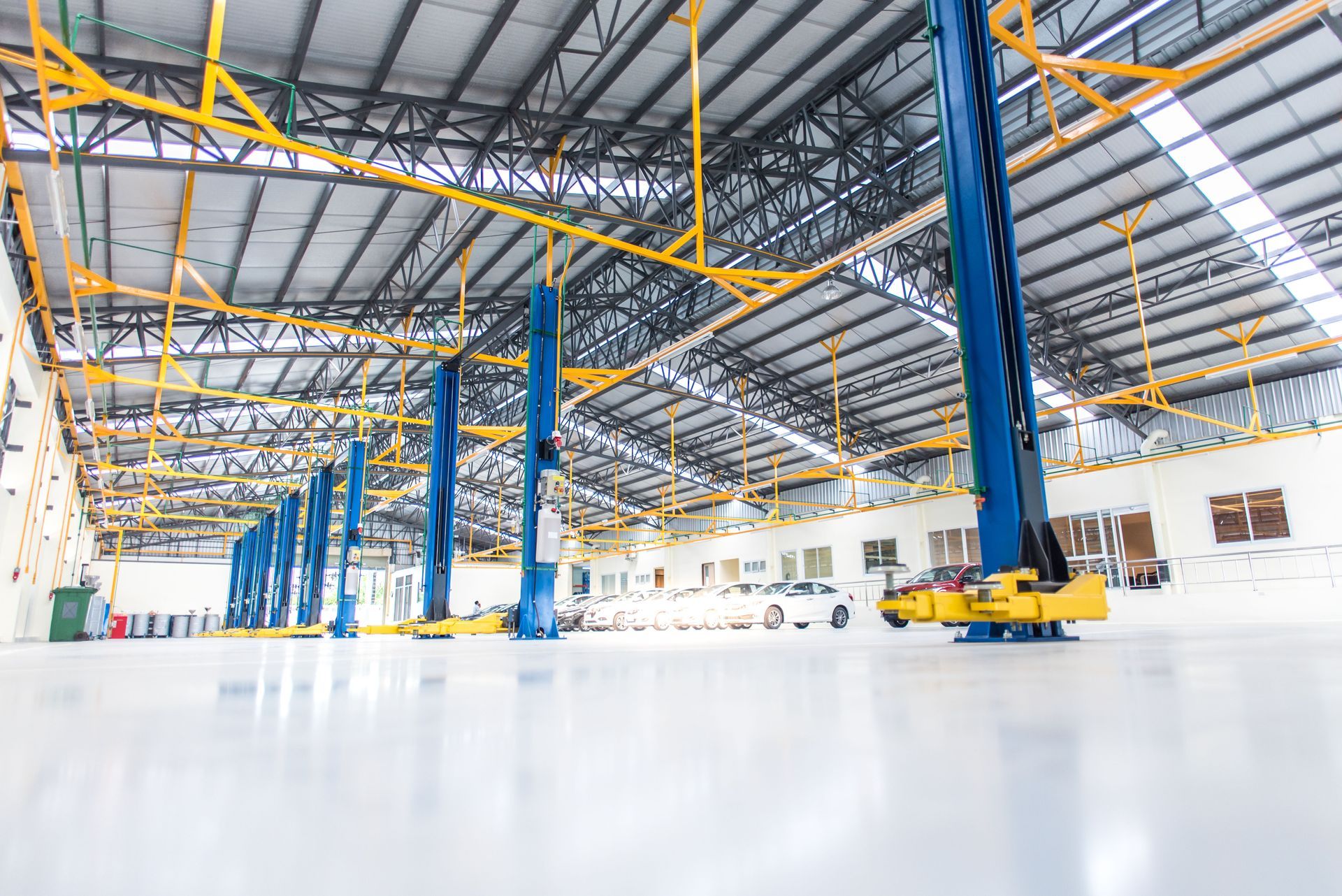
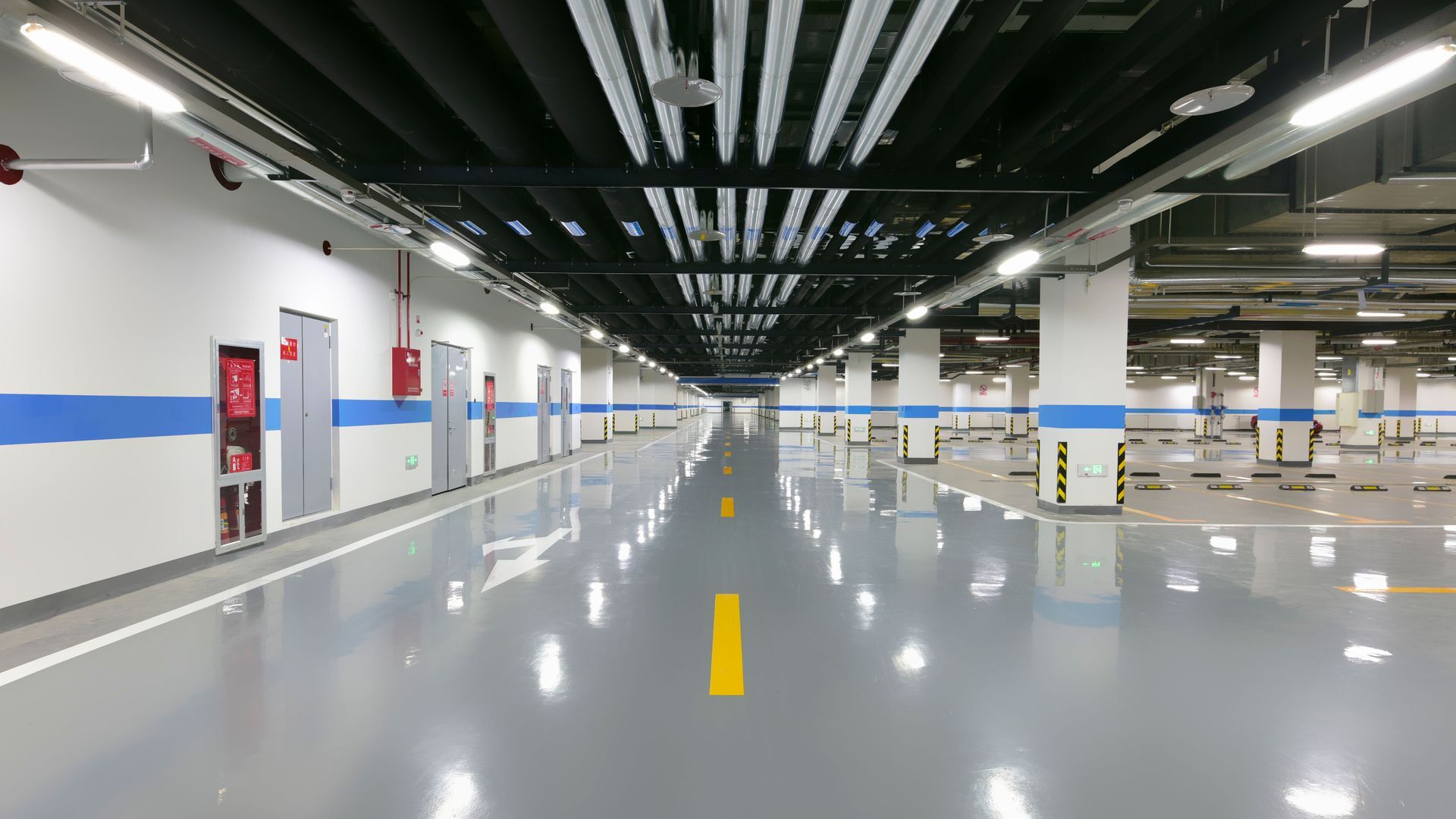
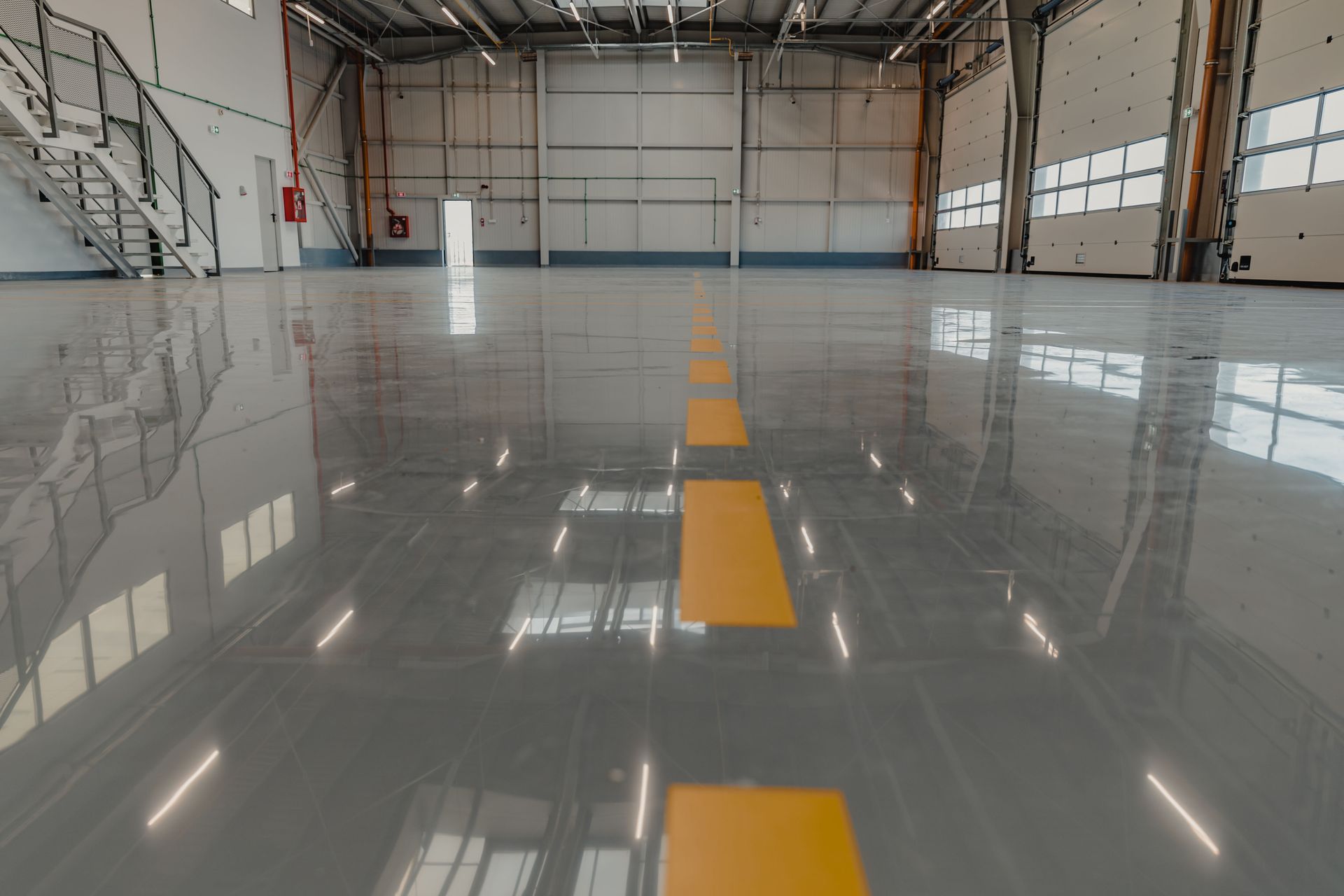
Dark, dingy commercial spaces feel uninviting and require more artificial lighting to maintain adequate visibility for workers. Untreated concrete absorbs light rather than reflecting it, which often contributes to higher monthly electricity bills for large facilities. The high-gloss finish available with professional epoxy flooring significantly boosts ambient light reflectivity throughout the entire workspace. This increased brightness improves overall visibility for employees, enhances safety in active loading zones, and reduces reliance on overhead light fixtures. Additionally, these systems come in a wide variety of colors, quartz blends, and metallic finishes to match specific branding guidelines.
Comparing Long-Term Financial Value and Maintenance Costs
While the initial cost of leaving concrete bare is undeniably low, the long-term financial implications tell a completely different story. Untreated slabs require frequent sealing, deep chemical scrubbing, and eventual concrete patching to correct structural defects. Over time, these recurring maintenance expenses and operational shutdowns quickly exceed the cost of a protective coating. Investing in heavy-duty epoxy flooring reduces the need for specialized cleaners, eliminates dust mitigation expenses, and extends the overall life of the concrete structure. Businesses save considerable amounts of money over time by avoiding early floor replacement and extensive structural repairs.
Highlighting Environmental Adaptability and Seamless Moisture Control
Subfloor moisture vapor transmission can cause standard floor coverings to bubble, peel, or separate entirely from the concrete base. Unsealed concrete allows this underground moisture to rise freely, which creates damp conditions and promotes localized mold growth in hidden areas. Installing a specialized epoxy flooring system includes a dedicated moisture vapor barrier that seals the concrete pores from underneath. This seamless barrier prevents moisture migration, ensuring that the finished surface remains securely bonded and stable regardless of humidity fluctuations. By controlling moisture vapor, businesses protect their structural foundation while maintaining a cleaner, healthier indoor climate.
Streamlining Daily Facility Maintenance and Sanitary Management Processes
Keeping a large commercial facility sanitary requires significant time, labor, and cleaning supplies when dealing with rough surfaces. Porous, untreated concrete traps fine dirt particles and bacteria within its microscopic crevices, making total disinfection almost impossible to achieve. Integrating seamless epoxy flooring eliminates these microscopic hiding spots, allowing sweeping and mopping protocols to be completed much faster. The dense, non-porous surface prevents liquids from soaking into the material, meaning that sticky spills and grime remain completely on top for quick removal. This simplified upkeep lowers labor costs while helping facilities easily meet strict health codes and cleanliness inspections.
Reviewing the Installation Process and Substrate Preparation Requirements
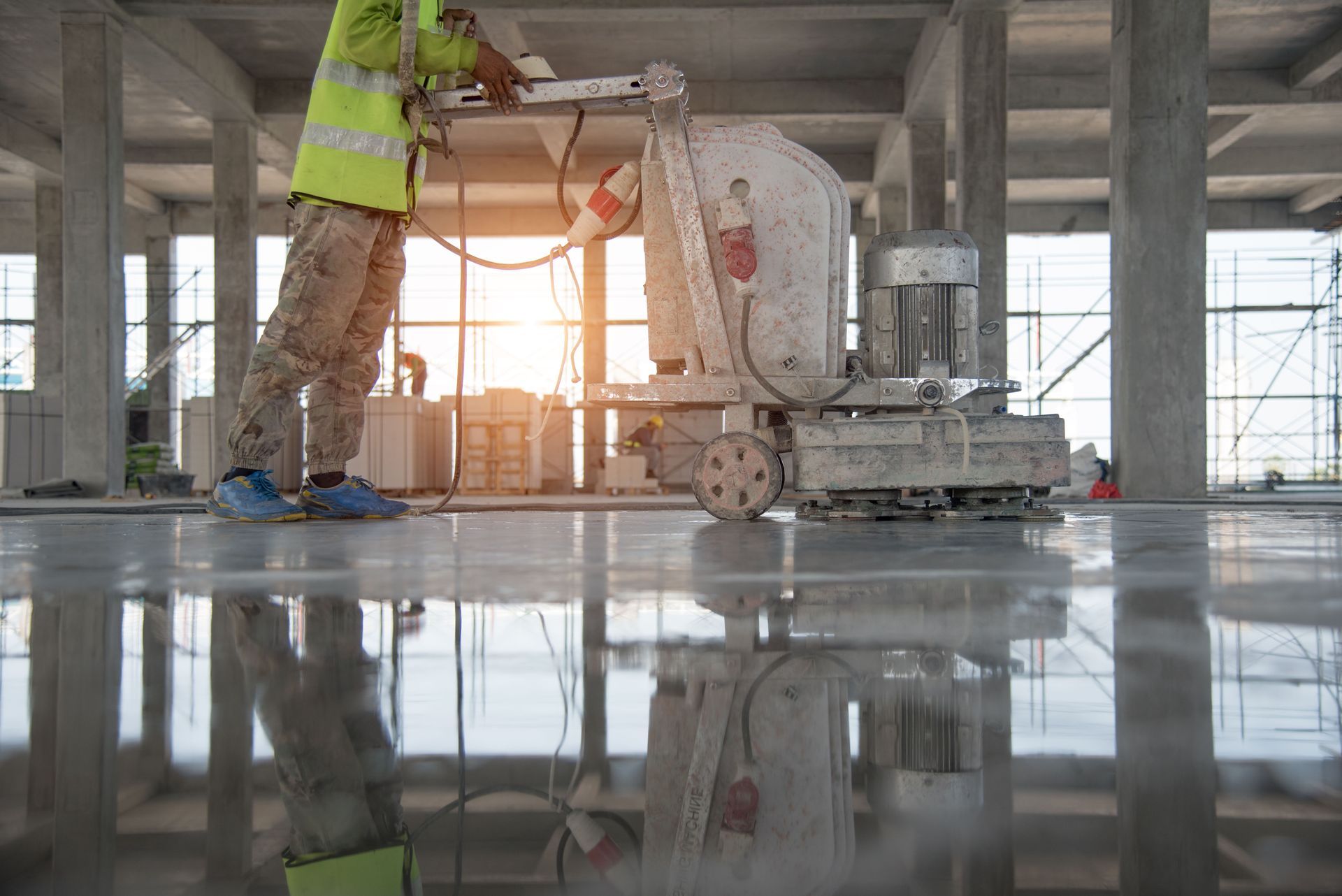
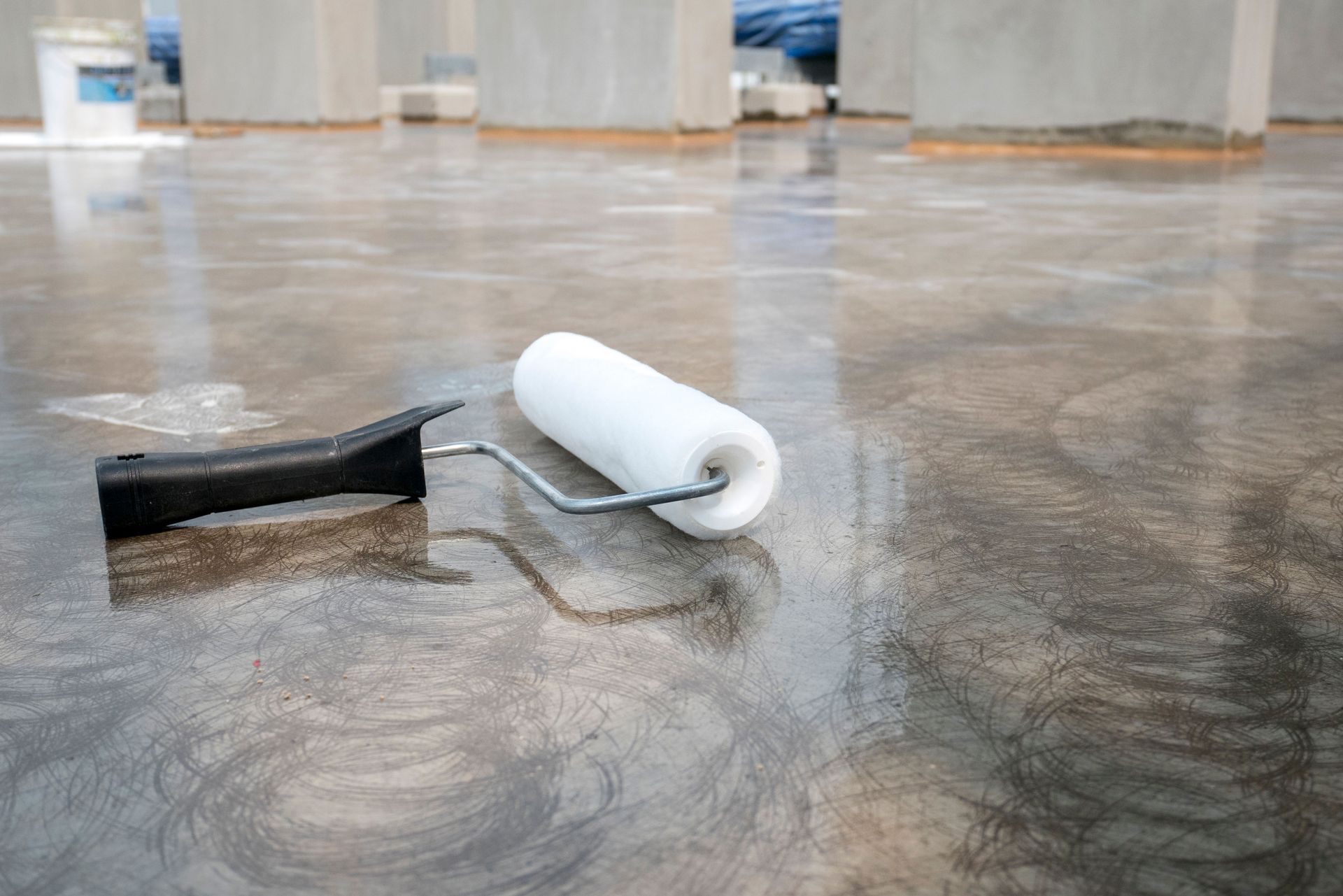
Achieving a permanent bond requires meticulous mechanical preparation of the underlying concrete substrate before any resin is applied. Technicians utilize professional diamond grinding or shot-blasting equipment to open up the concrete pores and remove existing contaminants. Once the surface profile is correct, installers apply a dedicated primer, followed by the main body coat of
epoxy flooring, and a durable topcoat. This multi-layered application process ensures maximum adhesion and long-term durability against delamination. Allowing the proper cure time results in a cohesive system that stands up to the most demanding industrial environments without lifting.
Upgrading commercial facilities with high-performance surfaces protects the physical asset while creating a safer, brighter, and more efficient workplace. With over 40 years of experience, our team specializes in delivering durable, seamless finishes tailored to the exact demands of busy industrial environments. We understand how to transform vulnerable, porous concrete into resilient systems designed to withstand heavy traffic and chemical exposure. Contact Elite Crete Systems Florida today to explore our comprehensive installation options servicing the entire state of Florida and find the perfect layout for your business.
Share On: