




13 Reasons to Choose a Commercial Epoxy Flooring Company
Commercial spaces are constantly seeking ways to minimize maintenance costs while ensuring durability and a pleasing aesthetic. Traditionally, flooring has been a significant cost center due to wear and tear, frequent repairs, and the need for regular maintenance. In recent years, epoxy flooring has emerged as a popular and cost-effective alternative, reshaping flooring strategies in commercial environments. Known for its robustness and resilience, epoxy flooring promises reduced maintenance expenses that can significantly boost a business's bottom line. Understanding epoxy's multiple benefits highlights why this flooring solution is gaining traction across diverse sectors.
1. Resistance to Wear and Tear
Epoxy flooring stands out for its superior resistance to wear and tear, making it an ideal choice for busy commercial environments. Unlike traditional flooring materials that can crack or chip under constant use, epoxy creates a hard, durable surface that withstands heavy impacts. The resilience of epoxy flooring is particularly beneficial in areas with high foot traffic, such as retail stores or industrial sites, where traditional floors would quickly deteriorate. Choosing a commercial epoxy flooring company to resurface your floor ensures an attractive and functional environment without the ongoing maintenance headaches.
2. Impact of Heavy Foot Traffic
Commercial spaces often bear the brunt of heavy foot traffic, resulting in the quick degradation of floors. Epoxy flooring addresses this issue by providing a robust surface that can handle significant wear without showing signs of damage. This quality is critical in places like airports, schools, and hospitals, where constant movement is unavoidable. With its ability to retain its appearance and integrity under such conditions, epoxy flooring significantly reduces maintenance and replacement needs. By investing in a surface that withstands the test of time, businesses can allocate their resources more efficiently, focusing on growth rather than upkeep.
3. Minimal Damage from Heavy Equipment
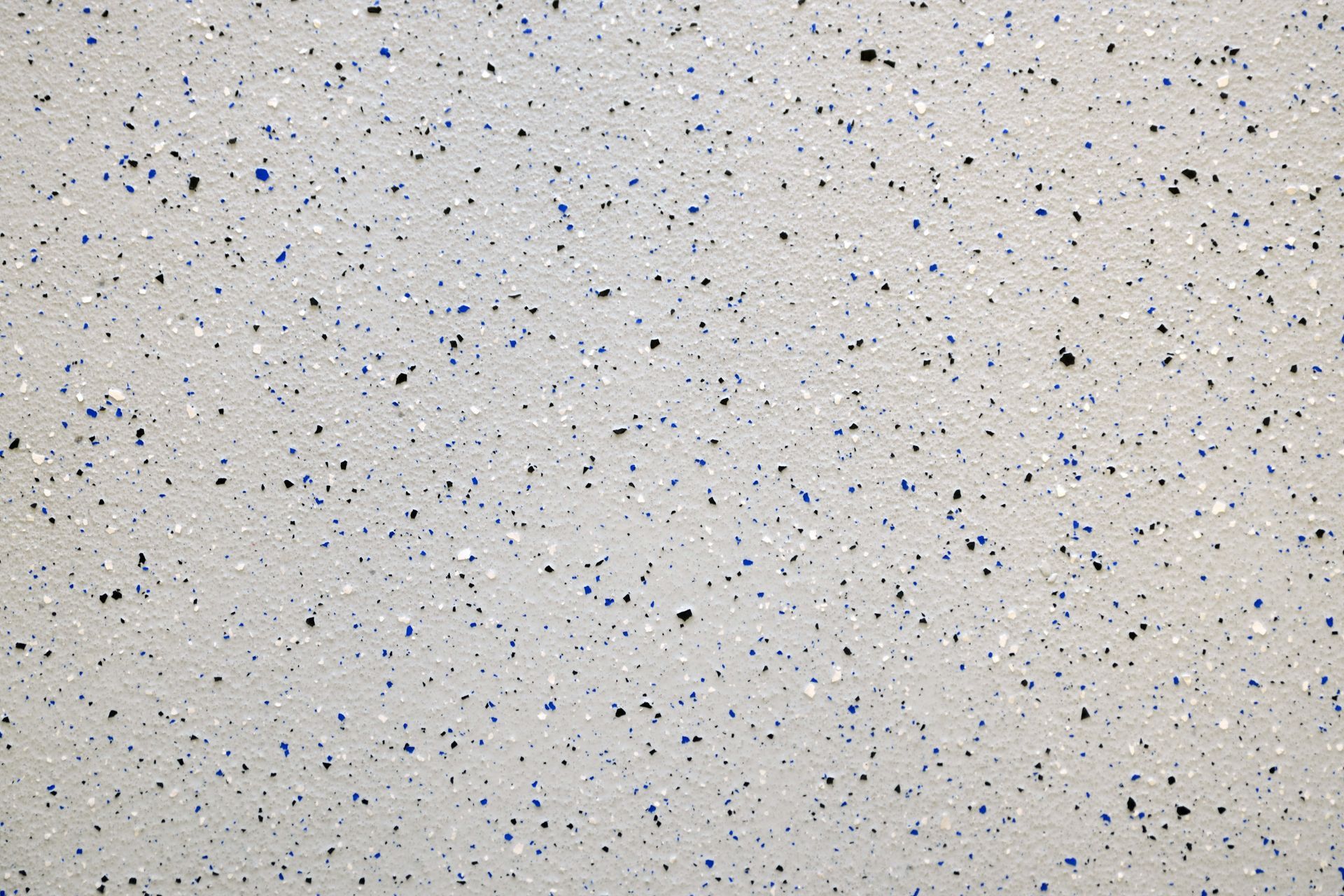
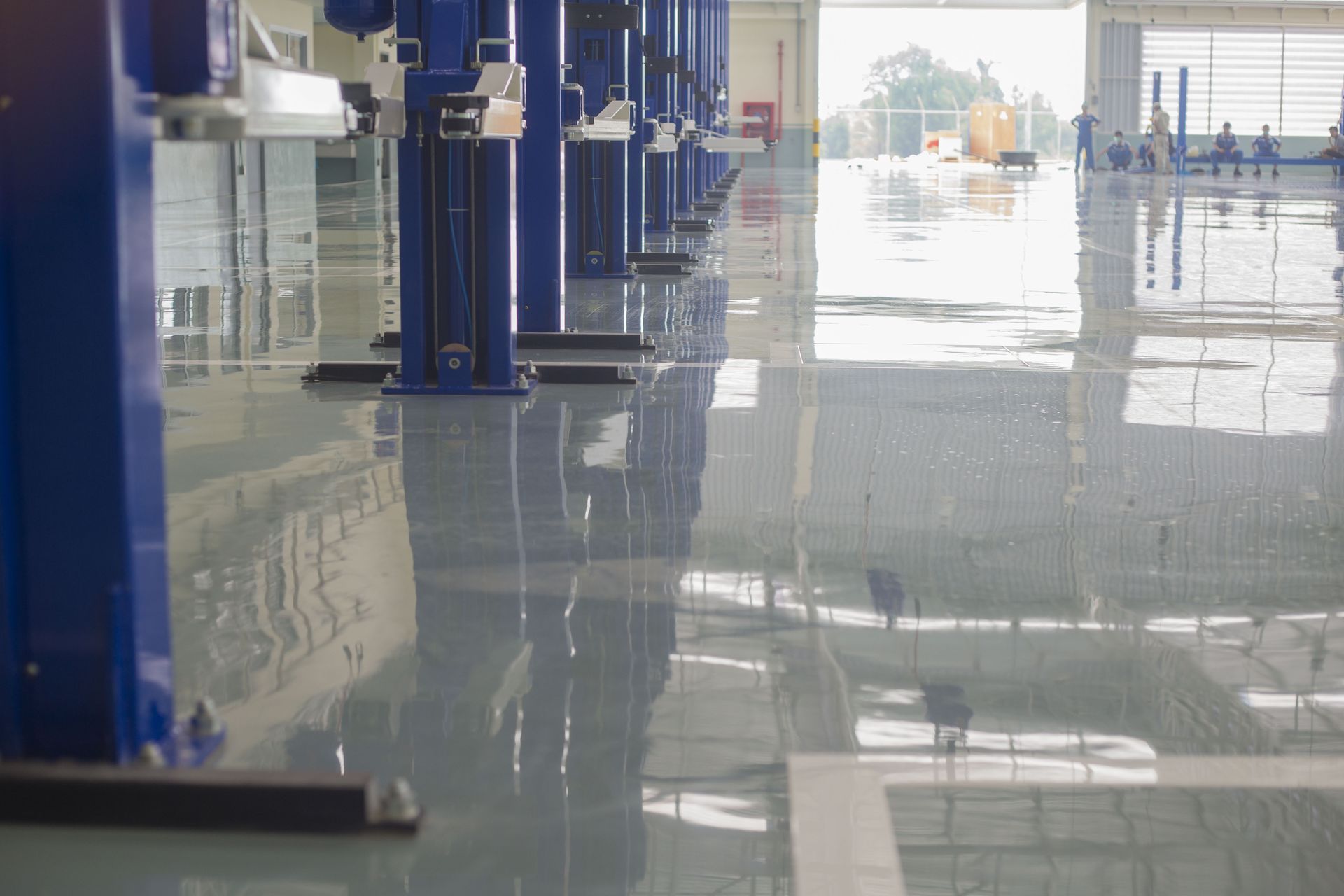
In industrial and automotive settings, the use of heavy machinery can wreak havoc on inadequate flooring. Epoxy's chemical structure provides an exceptional defense against the stress of heavy equipment operations. For businesses that depend on continuous operations, like manufacturing plants and automotive shops, this feature ensures sustained functionality and safety. By preventing damage from heavy equipment, epoxy flooring pays for itself through reduced maintenance expenditures.
4. Ease of Cleaning
One of the most advantageous features of epoxy flooring is its low maintenance needs, particularly regarding cleaning. Its non-porous surface prevents dirt, grime, and spills from absorbing, making it straightforward to clean. A simple sweep or mop can restore the floor's pristine condition, even after heavy use. This ease of maintenance is a boon for businesses looking to reduce their janitorial expenses while maintaining a spotless environment. Moreover, the minimal effort required to clean epoxy floors frees up staff time for more critical tasks, enhancing overall efficiency.
5. No Special Treatments Required
Epoxy floors do not require special treatments, such as waxing or polishing, allowing businesses to save both time and money. Traditional floors like wood or vinyl often need regular refinishing to maintain their appearance and integrity, leading to ongoing costs and downtime. In contrast, epoxy maintains its glossy finish without additional treatments, ensuring continuous use without interruptions. Moreover, eliminating the need for special treatments also contributes to sustainability by reducing the usage of chemicals and energy required for these processes. This feature makes epoxy flooring not only a cost-effective solution but an environmentally responsible one too.
6. Reduction in Cleaning Costs
By simplifying the cleaning process, epoxy flooring significantly reduces the associated labor and material costs. Businesses benefit from a reduction in the frequency and intensity of cleaning required to maintain a professional appearance. This efficiency results in lower overheads for wages or cleaning service contracts and buying fewer cleaning supplies. Additionally, with epoxy flooring, the risk of damage from aggressive cleaning agents is minimized, preserving the floor's longevity. These savings directly impact the bottom line, allowing funds to be redirected to growth and development initiatives instead.
7. Slip-Resistant Flooring
Safety is a paramount concern in commercial settings, and epoxy flooring offers solutions to minimize workplace accidents. Any commercial epoxy flooring company will offer slip-resistant options, which are particularly critical in kitchens, bathrooms, entryways, and factory floors: wherever spills or water tracking can be hazardous. By reducing the incidence of accidents, businesses not only ensure employee safety but also lower liability claims and potential legal expenses. Investing in safe flooring creates a secure work environment, enhancing productivity and morale.
8. Enhanced Visibility with Reflective Properties
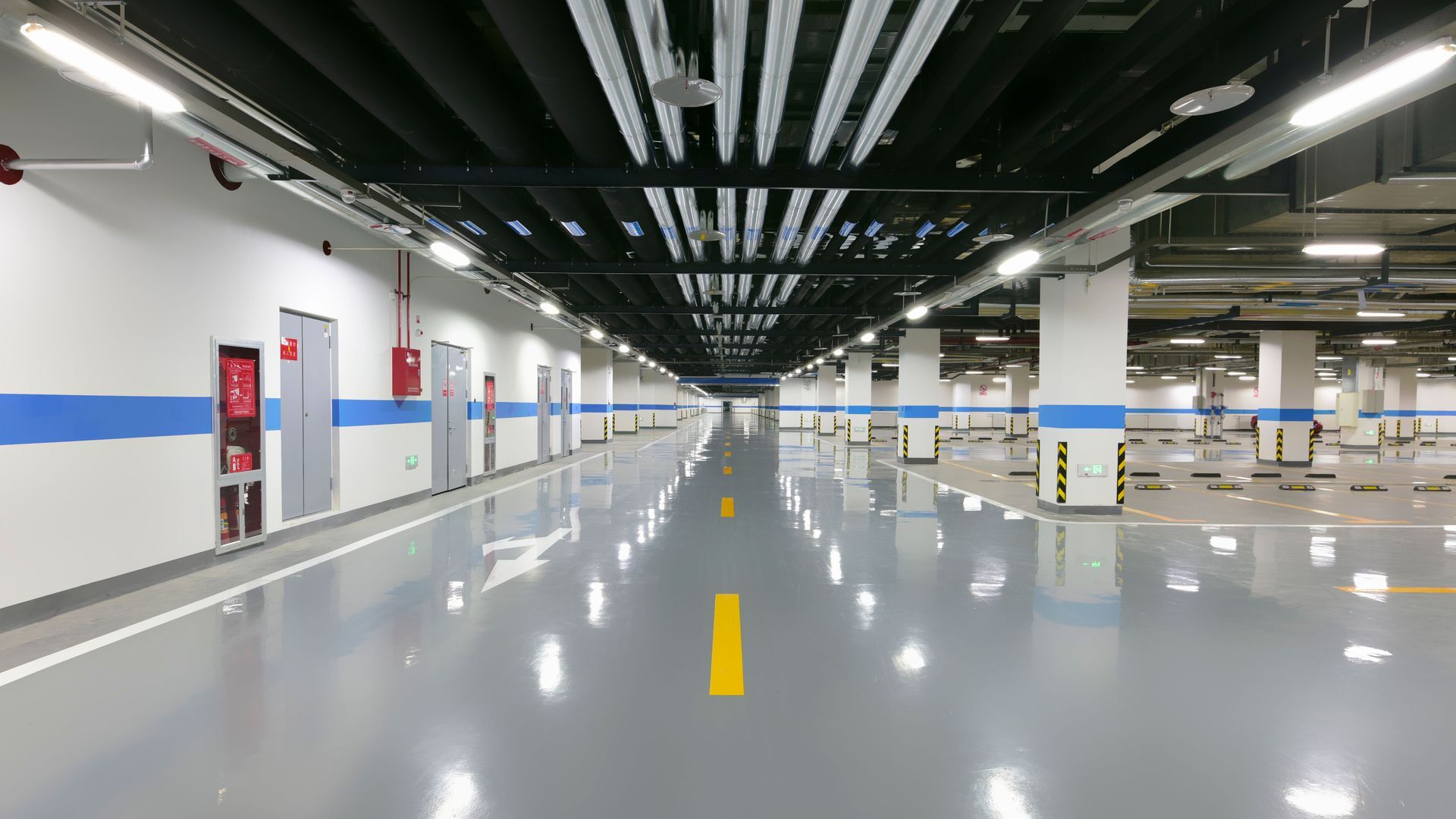
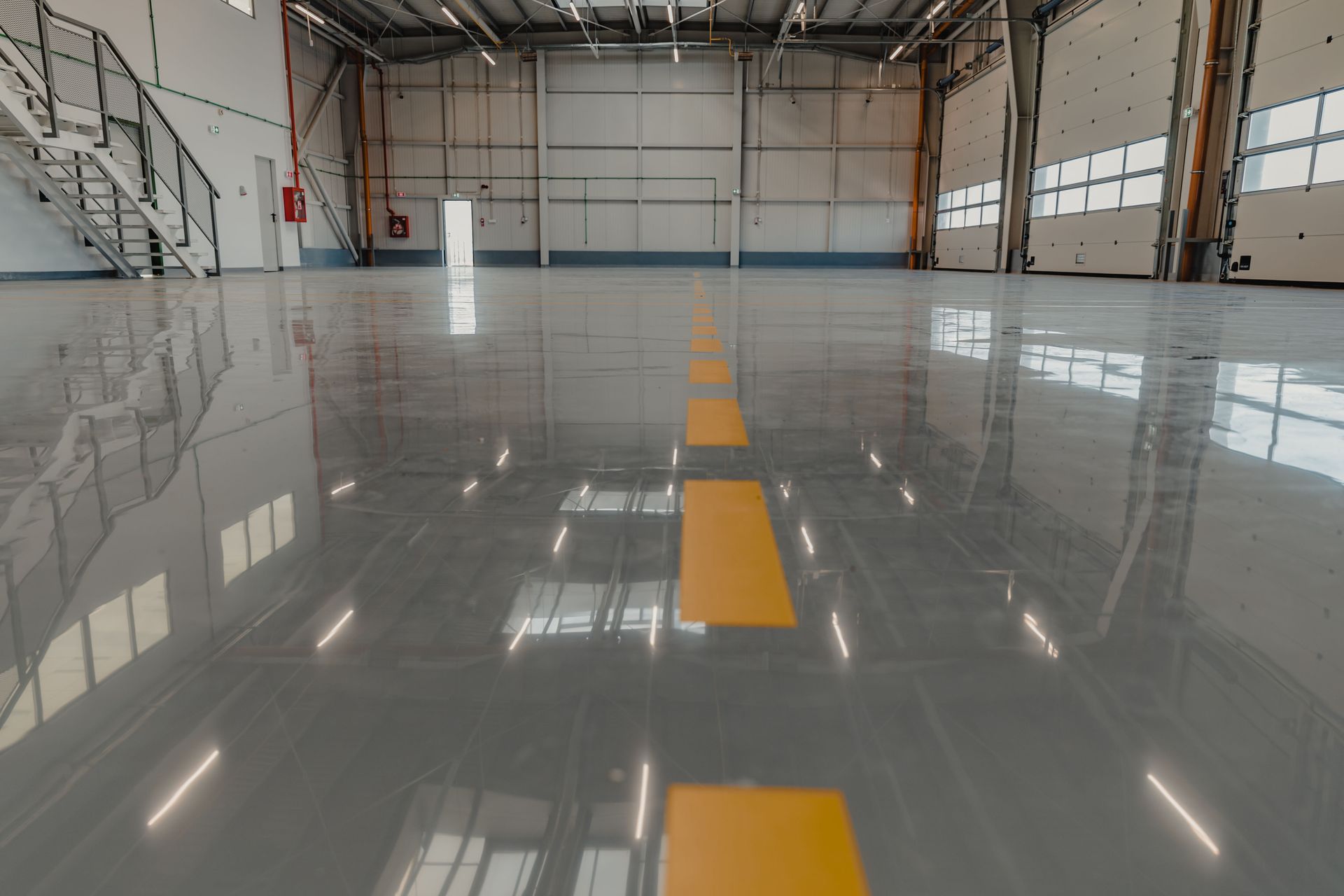
Epoxy flooring's reflective properties improve lighting efficiency, contributing to overall workplace safety. This reflective surface enhances visibility and reduces the likelihood of accidents. Improved visibility is beneficial in warehouses and factories where obstacles and machinery can present hazards when poorly lit. By making spaces safer and more energy-efficient, epoxy flooring supports a sustainable business model that prioritizes both safety and environmental stewardship.
9. Reduction in Workplace Accidents
The combination of slip resistance and improved visibility leads to a notable reduction in workplace accidents. Unlike traditional flooring, which might become unsafe over time, epoxy maintains its protective features throughout its lifespan. This consistency in safety standards helps businesses comply with regulatory requirements and avoid potential fines. Furthermore, a safer environment means less downtime due to injury-related absences and reduced insurance claims. Thus, epoxy flooring plays a crucial role in maintaining a secure and productive workplace, resulting in long-term financial benefits.
10. Customizable Designs and Colors
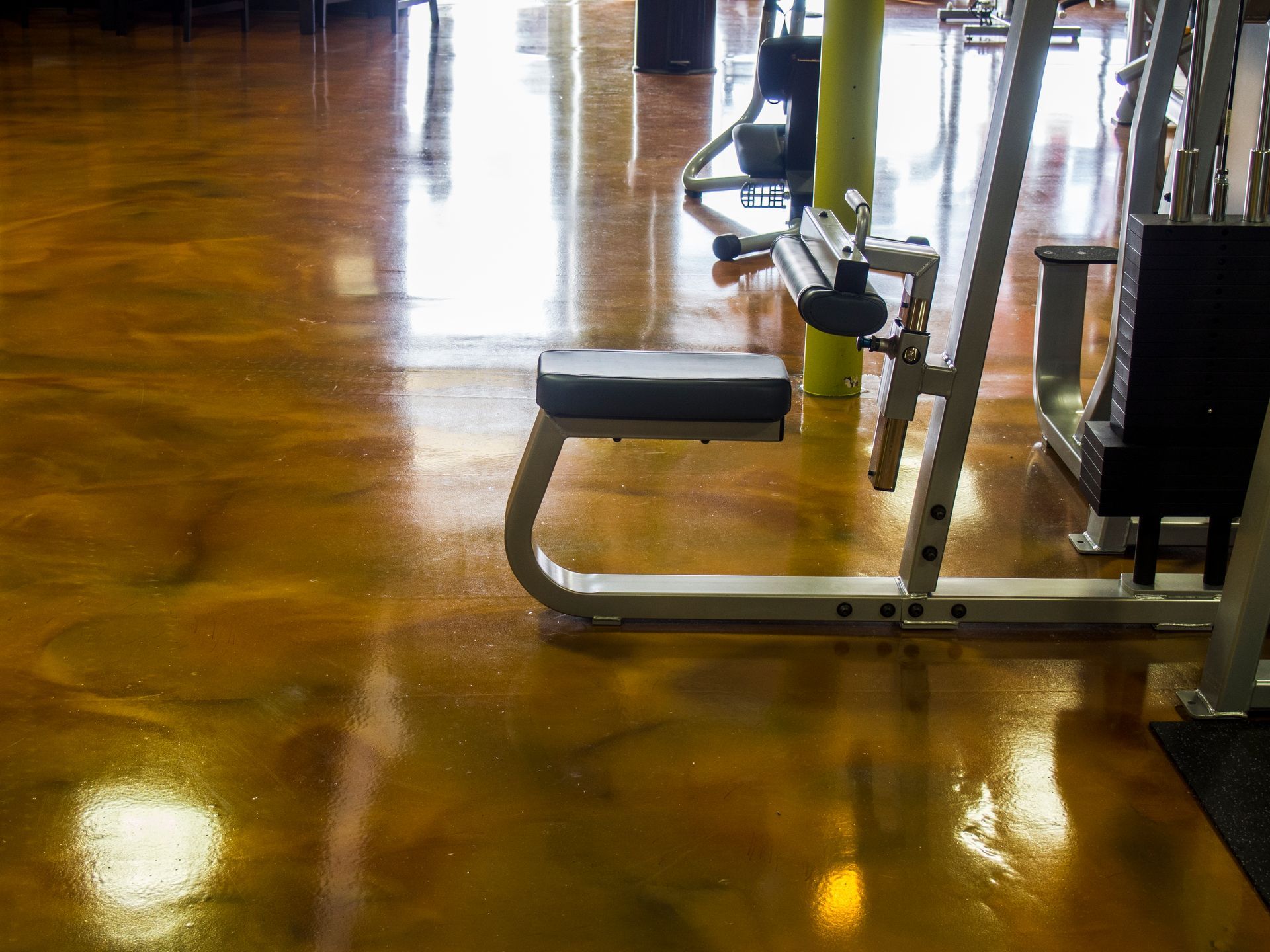
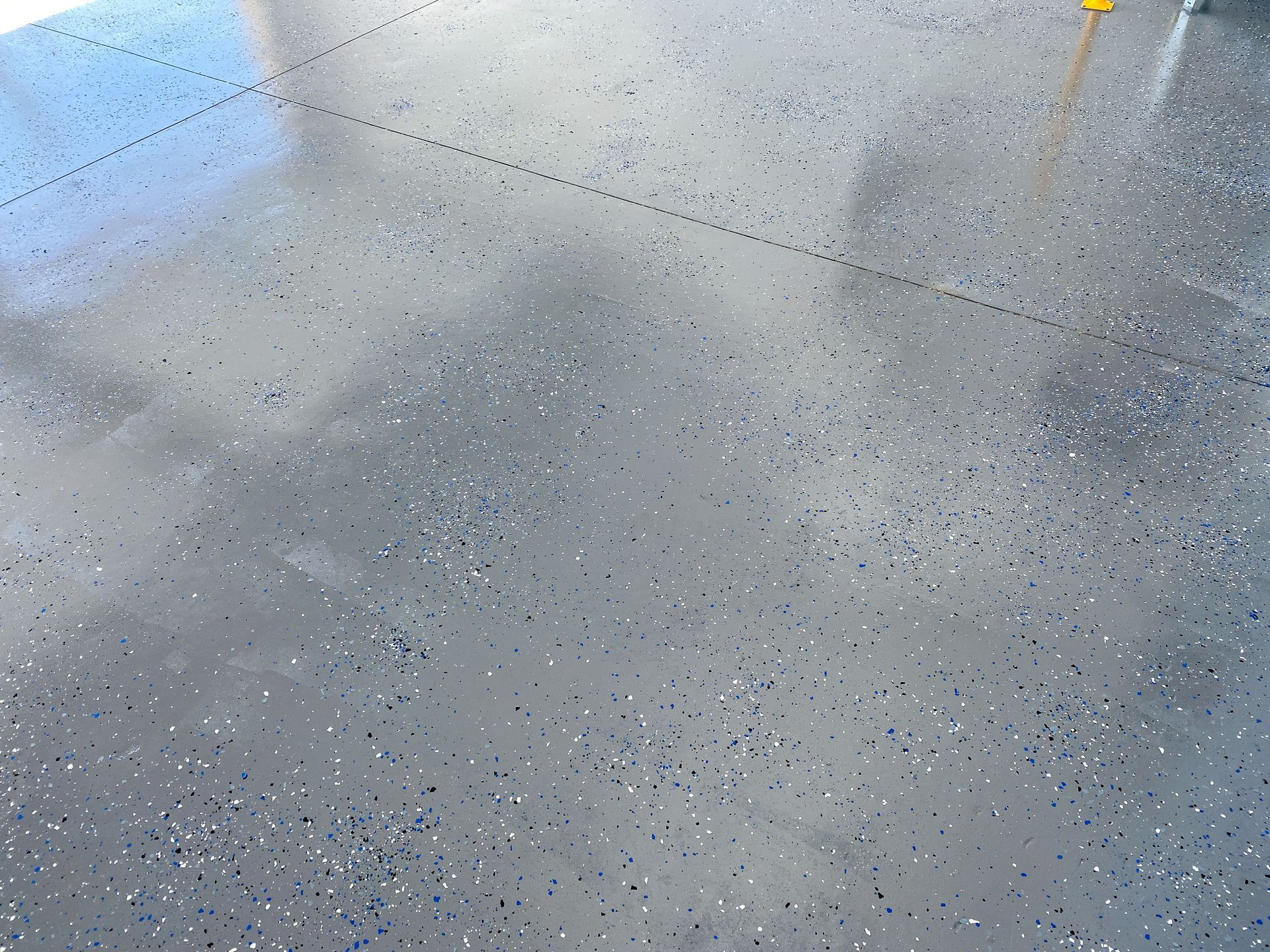
Epoxy flooring offers an array of customizable designs and colors that allow businesses to tailor their flooring to align with their brand identity. This versatility is advantageous in creating a unique atmosphere that distinguishes a business or enhances a specific aesthetic. Whether seeking a modern, sleek look or a warm, inviting environment, epoxy flooring can deliver. This customization helps maintain a professional appearance that can attract and retain customers and clients. Furthermore, the ability to change designs over time without significant expense keeps the space fresh and aligned with evolving brand images.
11. Maintaining Professional Appearance
Maintaining a professional appearance is essential for any business, and epoxy flooring makes it easy to achieve. Its seamless finish provides an even, polished surface that reflects a business's attention to detail and commitment to quality. By ensuring that the flooring remains attractive and unblemished despite heavy use, epoxy flooring supports a company's professional image. A commercial epoxy flooring company can incorporate logos, brand colors, and unique patterns that reinforce your branding strategy from the ground up. This lasting aesthetic appeal is crucial in client-facing environments where first impressions matter greatly. Ultimately, a visually appealing space influences customer perception and can lead to increased business success.
12. Environmental Sustainability and Certification
Epoxy flooring contributes to environmental sustainability due to its long lifespan and reduced need for replacement. By using sustainable components, epoxy flooring supports eco-friendly building practices that align with modern environmental standards. Epoxy flooring is also manufactured with consideration for minimizing hazardous waste, making it a responsible choice for businesses committed to environmental stewardship. As businesses strive to meet environmental certification standards, incorporating epoxy flooring into their designs can be a strategic move to maximize eco-friendly accolades. This contribution to sustainability not only reflects positively on a company but also offers market differentiation as society increasingly prioritizes green credentials. With sustainability becoming an increasing priority, epoxy offers a flooring solution that meets both economic and environmental objectives.
13. Reduction in Waste and Need for Replacement
According to Fact.MR, the global epoxy resin market will reach $26.45 billion by 2034, reflecting the growing recognition of its advantages, including waste reduction. The durability of epoxy flooring means less frequent replacements, leading to a significant decrease in the waste typically associated with traditional flooring materials. Lower waste levels contribute to a reduced environmental footprint by minimizing landfill contributions, alongside the resources saved from manufacturing fewer replacement materials. These eco-friendly features make epoxy flooring an appealing choice for green building projects and sustainability-focused initiatives. Businesses can therefore proudly promote their commitment to environmentally responsible practices when selecting epoxy solutions.
With the global epoxy resin market set to grow, its economic feasibility and environmental merits are likely to attract increasing growth. Businesses are encouraged to evaluate epoxy flooring as a sustainable solution that not only meets their immediate flooring needs but also aligns with broader financial and operational objectives. Call Elite Crete Systems Florida today to find out how an experienced
commercial epoxy flooring company can transform your space from the bottom up!
Share On: