




Epoxy Flooring Longevity: How Professional Maintenance Extends Lifespan
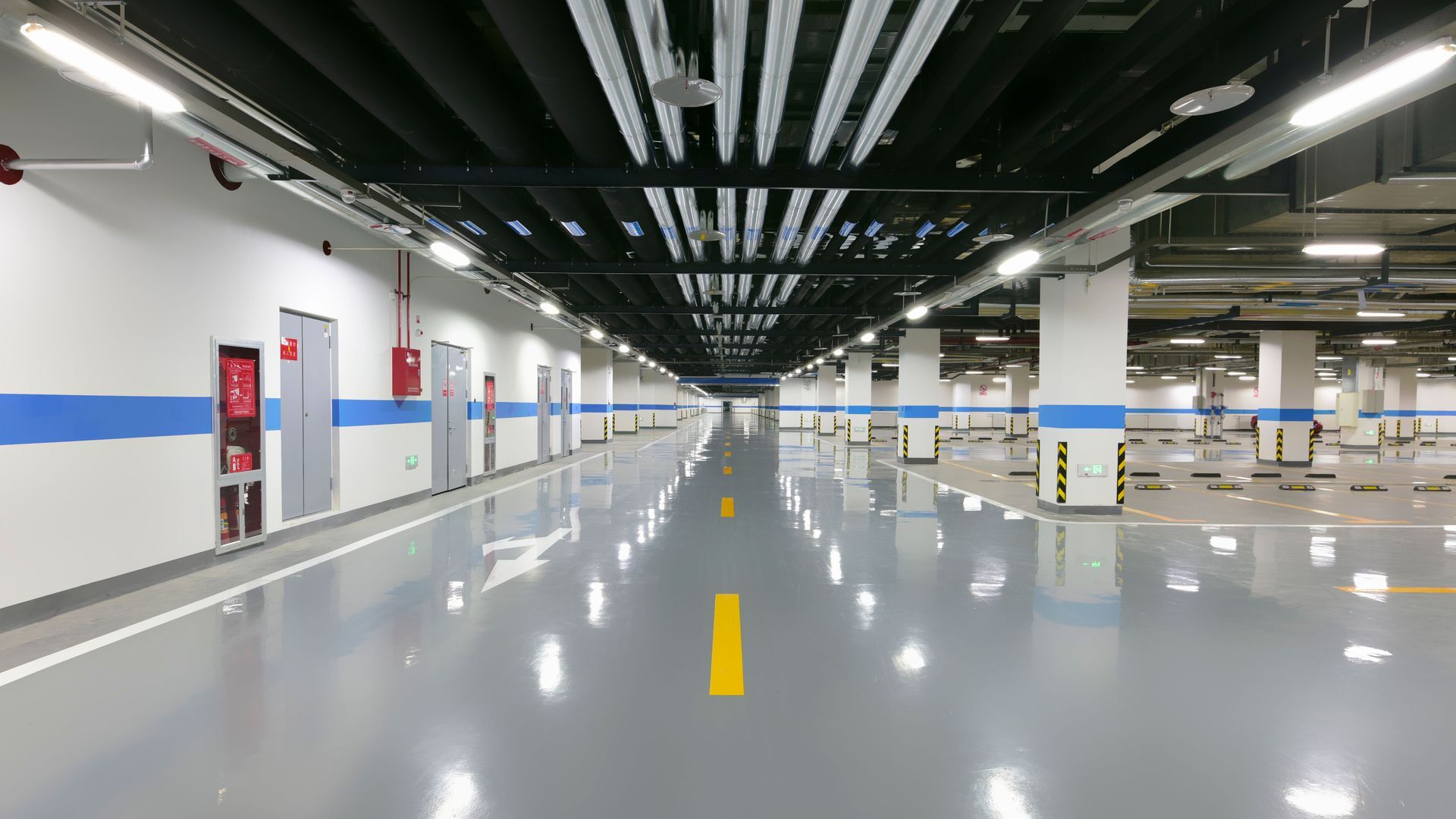
Commercial environments demand surfaces that withstand constant pressure, chemical exposure, and heavy foot traffic. While industrial coatings are celebrated for their resilience, their continued performance depends heavily on the caliber of care they receive over time. High-performance floor systems require consistent, expert oversight to preserve structural integrity and aesthetic appeal throughout the life of the facility.
Implementing Rigorous Surface Cleaning Protocols
Maintaining the pristine condition of epoxy flooring requires a commitment to removing abrasive particulates before they cause microscopic damage. Dust, sand, and metal shavings act like sandpaper under the wheels of forklifts or the soles of work boots. Professional cleaning schedules utilize industrial-grade scrubbers that remove these contaminants without scratching the protective topcoat or leaving behind filmy residues that attract more grime.
Standard janitorial methods often fall short in high-traffic facilities because they rely on generic detergents that might degrade the chemical bonds of the surface. Expert maintenance teams apply pH-neutral cleaners specifically formulated for resinous materials. Using these calibrated solutions keeps the finish from becoming dull or slippery over months of repeated use. This meticulousness prevents the clouding or "blooming" effect that occurs when harsh acidic or alkaline solutions react with the finish, thereby keeping the workspace bright and safe for all personnel.
Deep cleaning also involves the extraction of embedded oils and greases that might penetrate the surface if left stagnant. Specialized equipment reaches into the texture of the floor to lift out stubborn substances that manual mopping simply spreads around. By keeping the surface free of chemical buildup, the facility avoids the premature brittleness that leads to cracking, which is a common byproduct of neglected industrial environments.
Scheduling Periodic Professional Structural Inspections
Early detection of minor imperfections is a cornerstone of maximizing the return on investment for any facility. Professional inspectors possess the training that helps them identify subtle signs of delamination or moisture vapor transmission that an untrained eye might overlook. Catching these issues while they are localized prevents widespread failure, allowing for targeted repairs that blend seamlessly with the existing epoxy flooring system.
During these evaluations, technicians check for impact damage or stress fractures caused by heavy machinery vibration. According to BobVila.com, with proper care, epoxy flooring can typically last between ten and 20 years. Detailed documentation of these findings allows for a clear history of the slab condition to be maintained for future facility planning. Reaching the upper end of that spectrum requires a proactive approach where small gouges are sealed immediately. This prevents water or chemicals from seeping beneath the coating and compromising the bond with the concrete substrate.
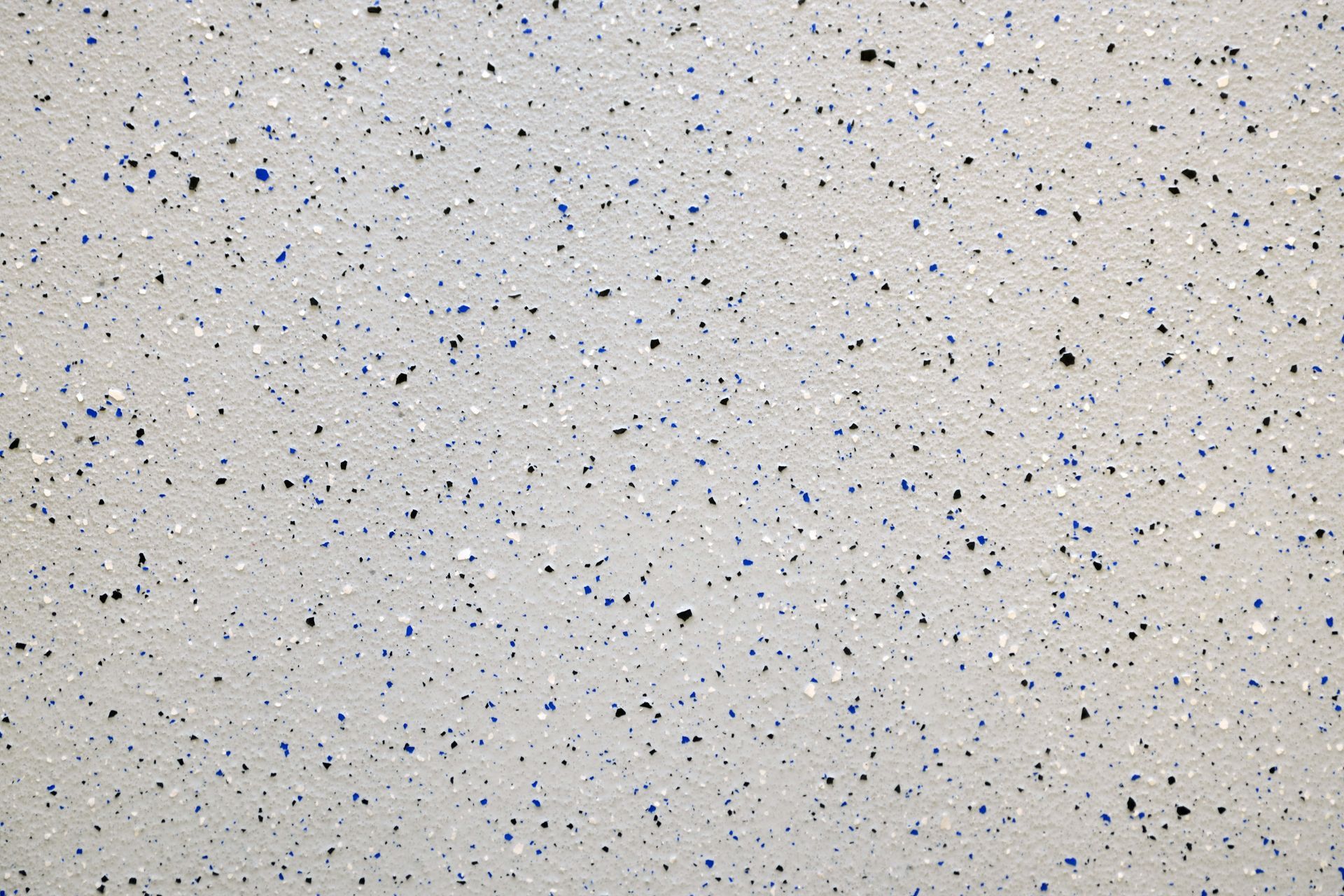
Inspections also provide an opportunity to evaluate the effectiveness of current safety features. Over time, slip-resistant additives may wear down in high-use corridors or loading docks. Professionals can measure the coefficient of friction and determine if a fresh application of non-slip aggregate is necessary. This technical oversight keeps the floor compliant with safety standards while addressing wear patterns before they become significant structural hazards.
Applying High-Performance Protective Sacrificial Layers
A sophisticated strategy for extending the life of epoxy flooring involves the application of sacrificial waxes or specialized top coats. These layers act as a buffer, absorbing the brunt of daily friction and chemical spills so the primary coating remains untouched. Maintenance experts manage the lifecycle of these finishes, stripping and reapplying them periodically to maintain a barrier that keeps the underlying resin looking pristine.
These supplemental coatings are particularly effective in environments where UV exposure or harsh lighting might otherwise cause discoloration. By utilizing UV-resistant topcoats during scheduled maintenance cycles, professionals shield the floor from the yellowing effects of sunlight. The application of these thin but hardy barriers serves as an essential defense against the constant grinding of industrial tires. This keeps the aesthetic quality of the facility high without the need for full sanding and slapping on a fresh coat, saving significant time and resources.
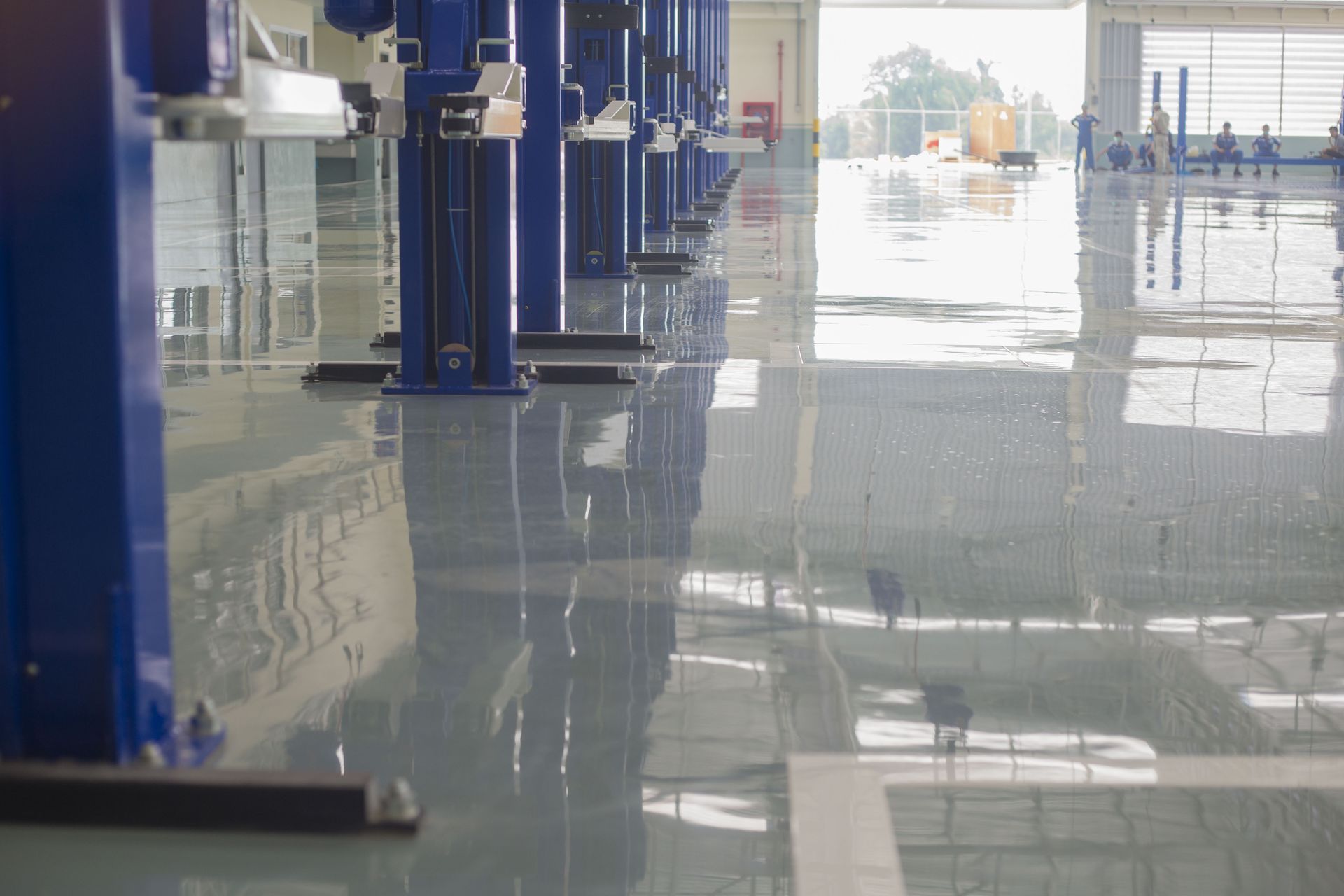
Furthermore, the use of specialized finishes can enhance the light reflectivity of the room. A well-maintained topcoat reflects more overhead light, which can lower energy costs and improve visibility for workers. When a professional team manages these applications, they select the exact chemical profile that matches the specific demands of the industry, whether that involves resisting battery acid in an automotive shop or sanitizers in a food plant.
Managing Environmental Factors and Chemical Exposure
The longevity of epoxy flooring is often dictated by the chemicals it encounters during daily operations. While these surfaces are naturally resistant to many substances, prolonged exposure to undiluted solvents or caustic agents can eventually soften the resin. Professional maintenance programs include the immediate neutralization of spills using industry-specific counter-agents that stop chemical reactions before they can permanently stain or etch the floor.
Temperature fluctuations also play a role in the health of a commercial floor. Rapid thermal cycling can cause the concrete and the resin to expand and contract at different rates, potentially leading to stress. Professionals monitor the environmental conditions of the facility and can recommend modifications to the cleaning routine or the addition of flexible joint fillers to accommodate these physical shifts without compromising the floor's integrity. Constant observation of these atmospheric variables prevents the bond from weakening during seasonal transitions.
Moisture management is another critical component of the professional's toolkit. High humidity or groundwater pressure can lead to osmotic blistering if the vapor barrier is compromised. Expert teams use moisture meters to monitor the slab’s health over the years. If they detect rising moisture levels, they can implement corrective measures like breathable topcoats or localized injections to stabilize the area, preventing a total system failure.
Restoring Luster Through Mechanical Polishing Techniques
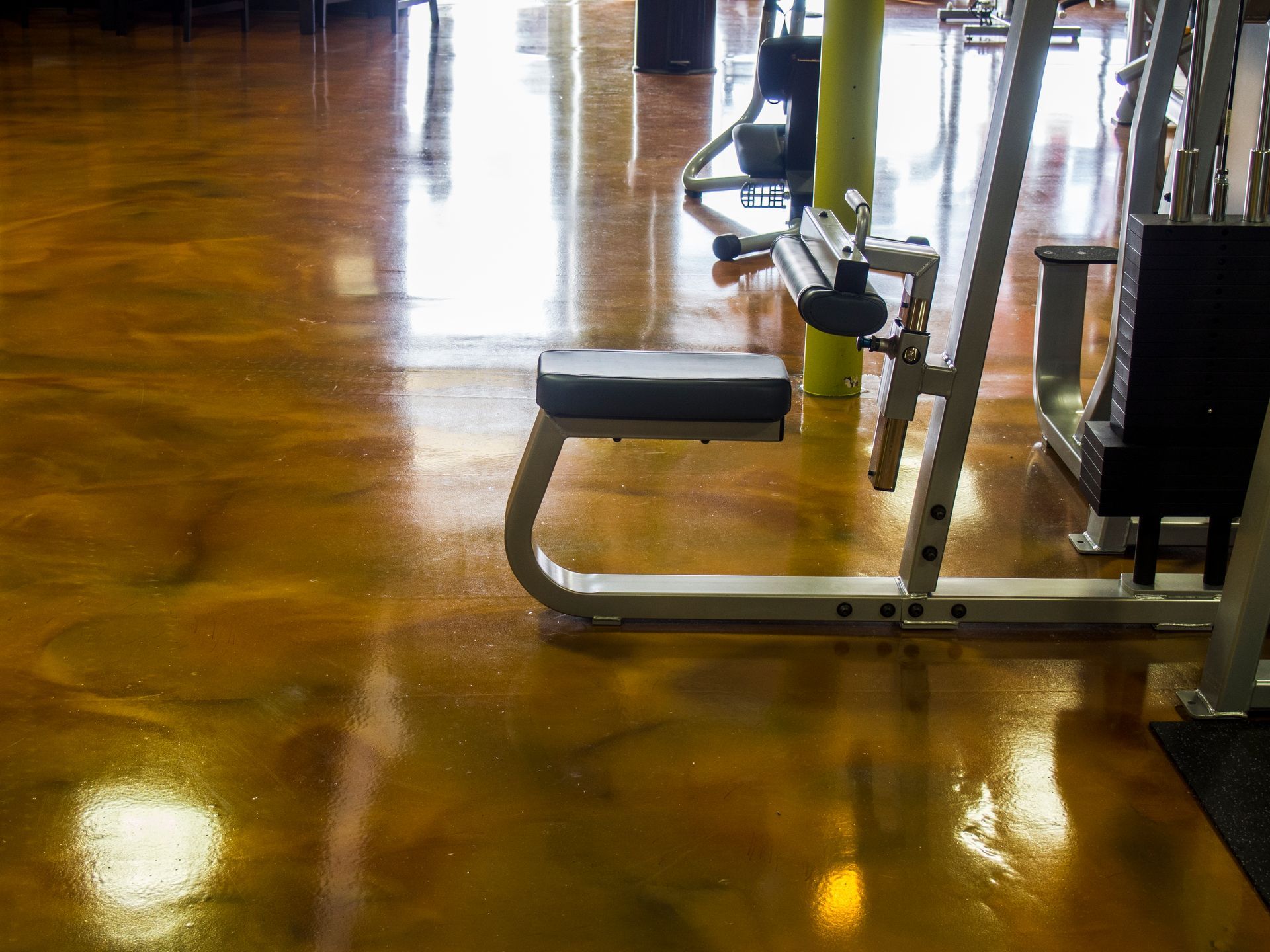
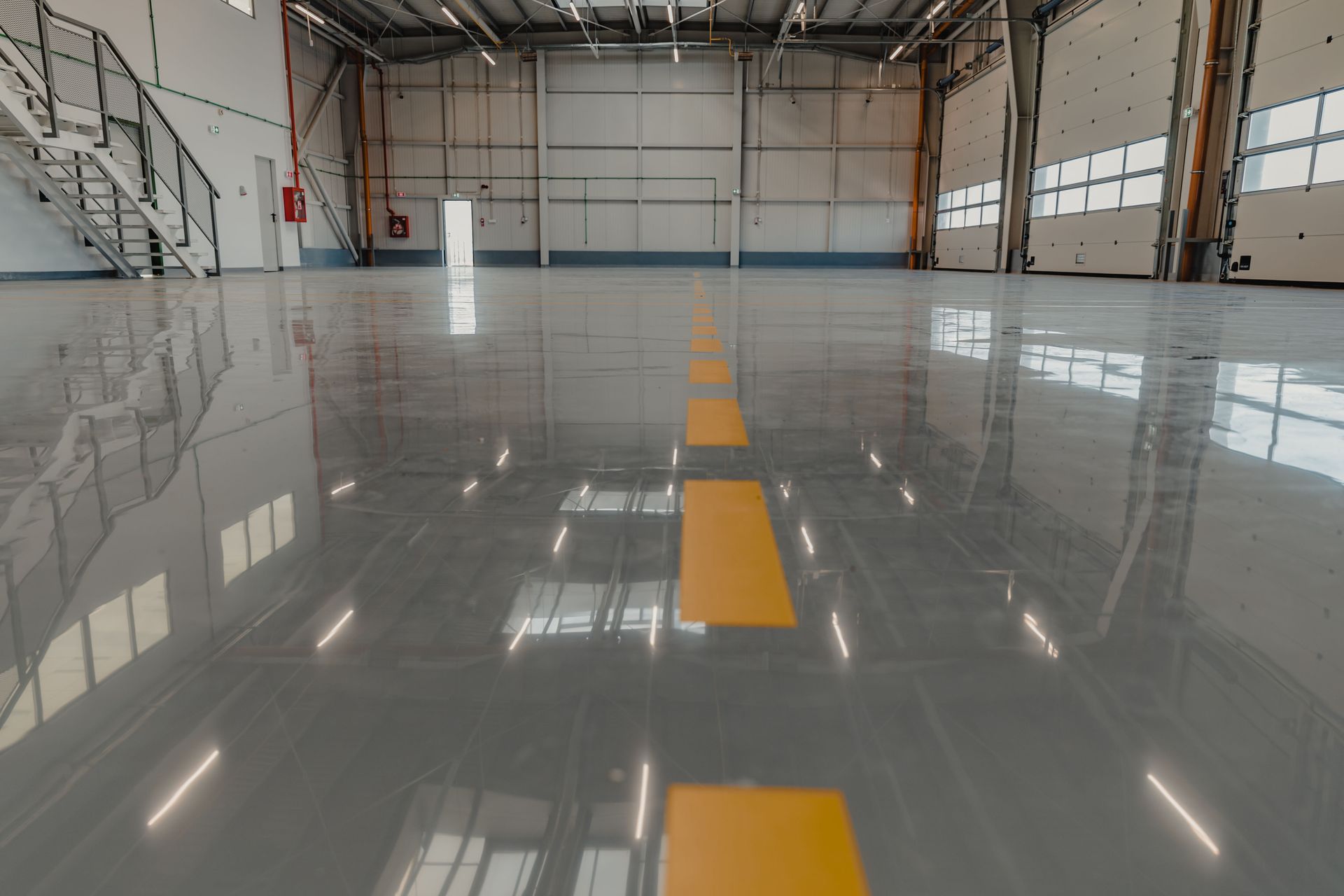
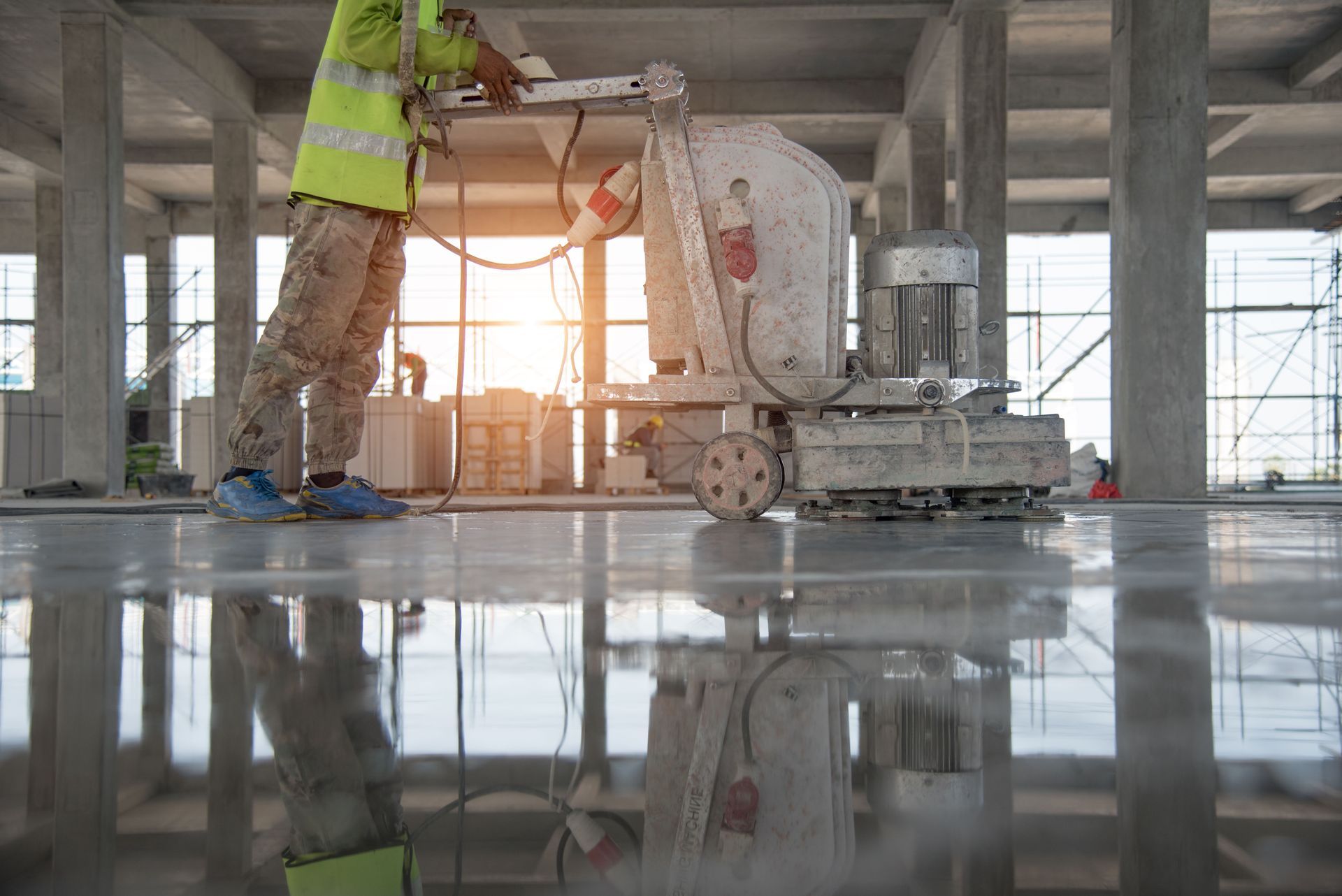
Even the toughest epoxy flooring will eventually show signs of traffic lanes where the gloss begins to dull from constant movement. Instead of replacing the entire system, professionals can use mechanical diamond polishing to restore the original shine. This process involves using fine-grit abrasives to smooth out micro-scratches, bringing back the vibrant color and high-gloss finish that characterizes a premium commercial installation.
This restorative process does more than just improve looks; it also tightens the surface of the coating. By closing up micro-pores that have opened due to wear, the polishing process makes the floor even more resistant to staining and bacterial growth. Technicians must carefully select the appropriate grit sequence to achieve the desired level of clarity without removing too much of the protective thickness. It is a highly technical procedure that requires precise speed and pressure control to avoid burning the resin, which is why it remains a task strictly for seasoned specialists.
Consistent polishing helps maintain a uniform appearance across the entire facility. In large warehouses or plants, different areas wear at different rates. Professional maintenance teams can focus their efforts on high-wear zones to keep the entire floor looking consistent. This methodical care prevents the patchwork look that often plagues facilities that wait too long to address surface wear, keeping the professional image of the company intact for decades.
The durability of epoxy flooring makes it a premier choice for demanding commercial spaces. However, its long-term success depends on more than just the initial application. By prioritizing professional cleaning, regular inspections, and technical surface treatments, businesses can protect their investment and maintain a safe, high-performing environment for their entire workforce. Contact Elite Crete Systems Florida today to schedule a comprehensive evaluation of your facility and begin a professional maintenance plan that maximizes your floor's performance.
Share On: