




Why Industrial Epoxy Flooring Is Essential for Warehouses and Factories
Industrial epoxy flooring is a pivotal element in the efficient operation of warehouses and factories. This robust flooring option is known for its durability, safety features, and aesthetic benefits that go beyond traditional flooring solutions. From improved traction and reduced maintenance costs to aesthetic enhancements, epoxy flooring offers numerous advantages. This article explores the various reasons why industrial epoxy flooring is not just a choice but essential for high-traffic industrial environments. Moreover, it will delve into the different characteristics and benefits that make epoxy flooring a strategic advantage in the commercial sector.
Durability and Longevity
Resistance to Wear and Tear
Epoxy flooring is exceptionally resistant to wear and tear, making it ideal for environments with heavy machinery and high foot traffic. This resistance comes from the material's strong chemical bonds, which create a surface that can withstand continuous usage without deterioration. In industries where forklifts and other heavy equipment are constantly in operation, epoxy floors maintain their integrity. Additionally, traditional concrete floors often require frequent repairs due to chipping or cracking, but epoxy floors significantly reduce this need. Ultimately, the longevity of epoxy flooring minimizes disruption and enhances operational efficiency.
One of the prime benefits of epoxy flooring is its cost-effectiveness over time. Though the initial investment may seem high, the savings from reduced repairs and maintenance quickly recoup these costs. According to Grand View Research, the commercial market accounted for 53% of global revenue in the concrete floor coatings market in 2022. This statistic underscores how businesses are increasingly acknowledging the long-term value and durability of epoxy flooring. Thus, opting for epoxy floors translates into sensible fiscal management for warehouse and factory operations.
Furthermore, epoxy flooring demonstrates exceptional longevity, often lasting many years without significant wear. With appropriate maintenance, these floors can easily endure the rigors of industrial environments for a decade or more. The cost-effectiveness becomes even more apparent when considering the minimal upkeep required compared to other flooring types. Regular cleaning and simple maintenance protocols keep the floors in pristine condition, further extending their lifespan. Consequently, epoxy flooring not only withstands the test of time but also contributes to long-term operational savings for businesses.
Impact Resistance
The impact resistance of industrial epoxy flooring is another critical factor that positions it as an essential solution in industrial settings. Warehouses and factories often face incidents of dropped tools, impacts from equipment, and other mechanical interactions. Epoxy floors are formulated to absorb such impacts and reduce the risk of cracks and dents. The robust nature of epoxy flooring ensures that it can handle the unpredictable physical stresses that are commonplace in industrial environments. This durability not only preserves the floor's aesthetic appeal but also minimizes the potential for costly repairs.
Epoxy flooring's tough, resistant surface is particularly advantageous in protecting the infrastructural integrity of a warehouse or factory. Damaged floors can lead to safety hazards, such as trips and equipment malfunctions. By maintaining a smooth and undamaged surface, epoxy flooring reduces these risks significantly. Furthermore, reduced incidents of floor damage mean that companies incur fewer operational disruptions, allowing them to maintain productivity and efficiency. The cost-saving advantages of avoiding frequent floor refurbishment cannot be overstated.
In addition to physical durability, epoxy floors provide an added layer of protection to the foundation of industrial spaces. Floors are an investment, and safeguarding that investment is crucial for long-term sustainability. This protection extends to equipment and machinery, as non-damaged flooring types reduce the potential for equipment malfunctions caused by uneven surfaces. Consistent flooring conditions contribute to smoother operations and ultimately enhance the overall productivity of industrial facilities. Unsurprisingly, companies view that this increased resilience contributes to a safer, more efficient work environment.
Withstanding Chemicals and Spills
The capability of industrial epoxy flooring to withstand chemicals and spills is another significant advantage, setting it apart from other flooring options. Industrial environments are often full of chemicals, oils, and various liquids that can damage ordinary floors. The non-porous surface of industrial epoxy flooring resists the penetration of these substances, thereby preventing chemical damage. This characteristic is especially crucial in plants and factories where spills are frequent, ensuring that the flooring remains untouched by reactive agents. This resilience not only protects the floor but also aids in maintaining a safe working environment by preventing the accumulation of slick, hazardous substances.
The protective nature of epoxy flooring against chemicals extends to reducing maintenance time and costs. Any spills can be swiftly wiped away without leaving a trace, thanks to the seamless surface that epoxy provides. This feature minimizes the need for extensive cleanup operations and ensures that business operations resume promptly. Routine maintenance procedures become less cumbersome, allowing workforce resources to focus on core operational tasks rather than floor upkeep. As businesses search for ways to cut costs without compromising quality, epoxy flooring proves its value in achieving both objectives.
Besides offering chemical resistance, epoxy floors deter bacterial growth and prevent mold expansion. These floors create an environment that is inhospitable to biological and chemical contaminants. The reduced risk of contamination is particularly beneficial in environments that require stringent hygiene standards. It also contributes to a healthier workplace, reducing the incidence of employee illness related to toxic exposure or mold allergies. The low-maintenance and highly resilient nature of epoxy flooring make it an indispensable asset in a variety of industrial contexts.
Safety Enhancements
Slip-Resistant Surfaces
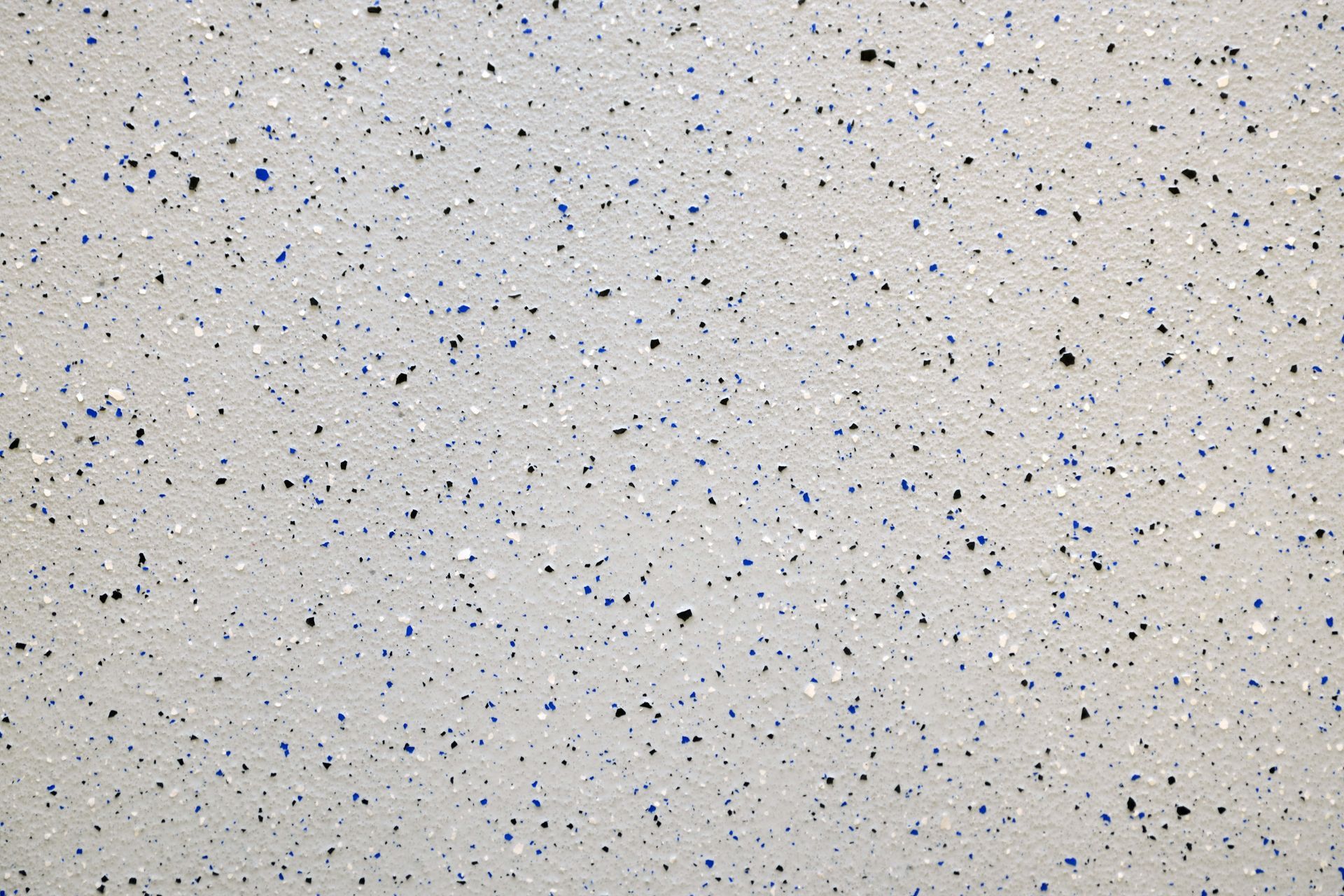
Slip resistance is one of the critical safety features that highlight the importance of epoxy flooring in warehouses and factories. The risk of slip and fall accidents is substantial in industrial settings, where floors can easily become slick from spills or general use. Epoxy flooring can be customized with slip-resistant additives, forming a textured surface that greatly reduces these risks. This feature is invaluable in maintaining a safe work environment, protecting employees from potential injuries. Implementing slip-resistant epoxy surfaces can lead to a significant decrease in workplace accidents and related financial liabilities.
In addition to being slip-resistant, epoxy floors offer a level of safety that surpasses traditional flooring materials. Safety is a paramount concern in industrial environments, and epoxy flooring plays a vital role in achieving this goal. The resistance to slips and falls not only protects workers but also safeguards equipment that could be damaged if toppled. As such, epoxy flooring is an essential component in ensuring comprehensive safety protocols within a facility. Moreover, the peace of mind that comes from having a safe work environment contributes to boosted employee morale and productivity.
The implementation of slip-resistant industrial epoxy flooring is both a preventative and proactive measure in workplace safety strategies. By addressing potential hazards before they become a problem, companies can avoid costly accidents and maintain a steady workflow. The enhanced safety provided by epoxy floors directly correlates to minimized insurance premiums and reduced compensation claims. Simply put, investing in slip-resistant epoxy flooring is an investment in the overall safety and well-being of the workforce. This foresight can be a defining factor in the long-term success of any industrial operation.
Visible Markings and Aisles
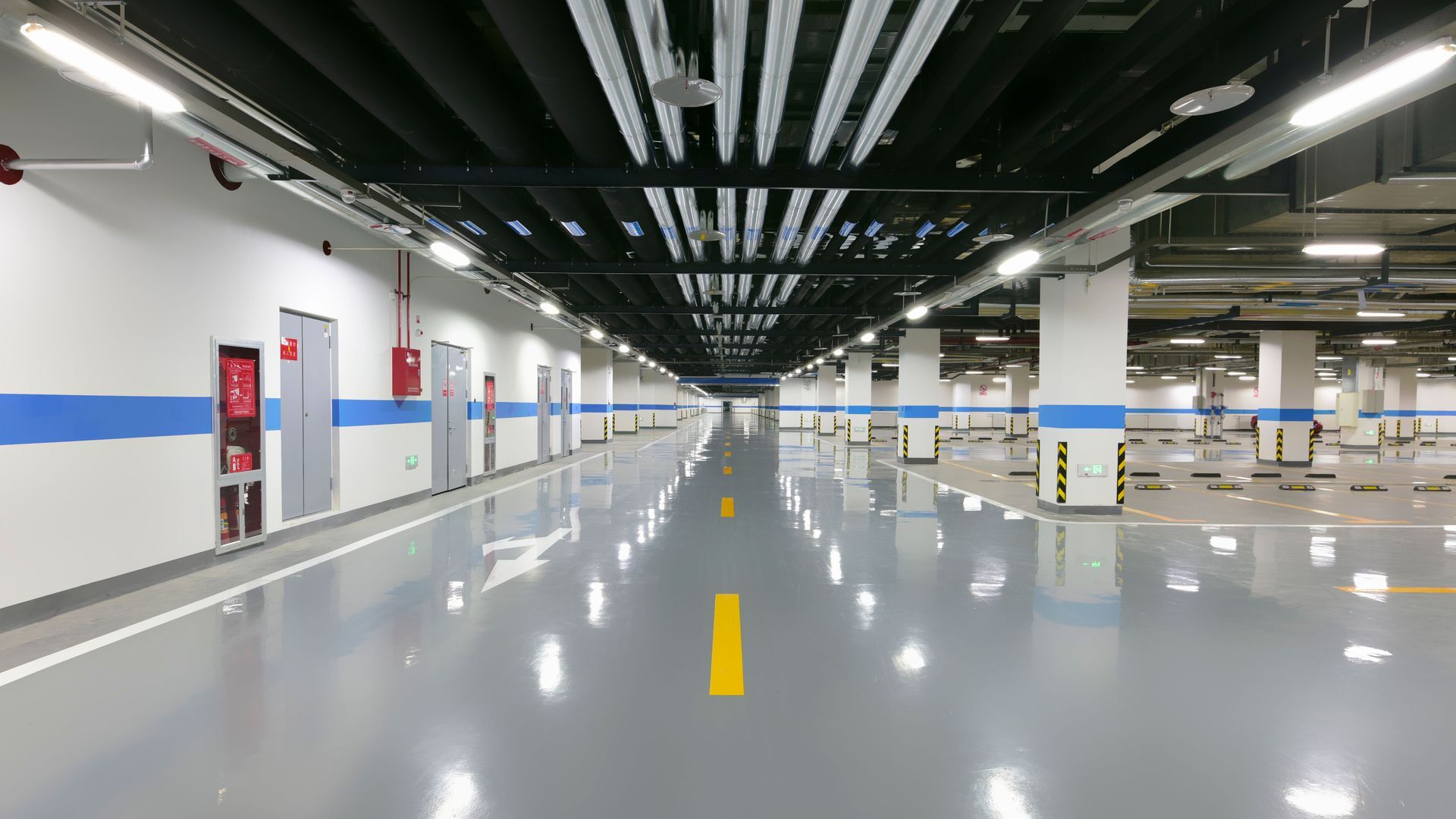
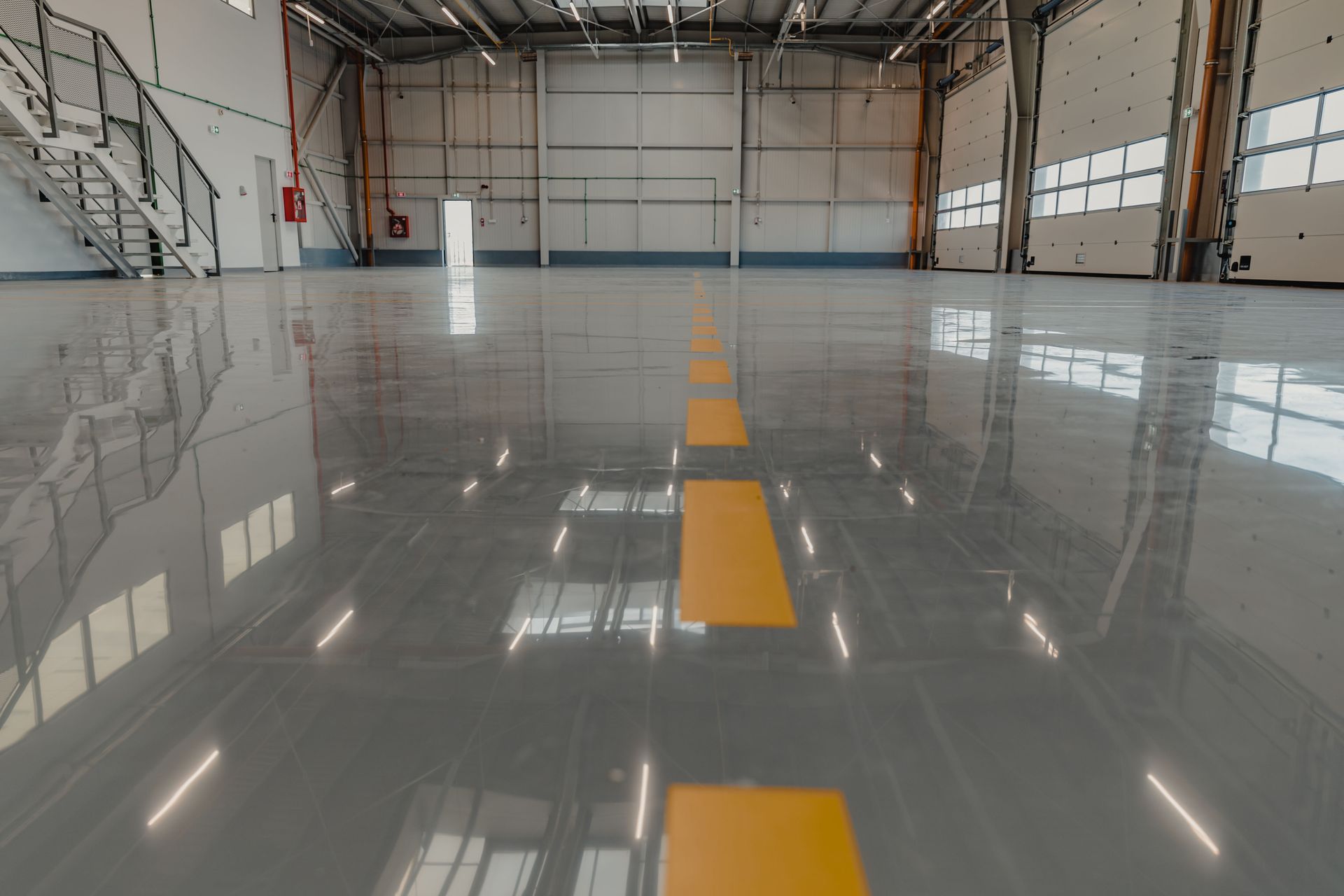
Another noteworthy safety enhancement offered by epoxy flooring is the ability to customize with visible markings and aisles. This customization is crucial for guiding the flow of both machinery and personnel, improving overall navigation. Properly marked aisles facilitate safer and more efficient operation, limiting the chances of collisions or mishaps. These markers also assist in defining specific zones such as loading/unloading areas and forklift paths, contributing to organized and systematic operations. The enhanced visibility with industrial epoxy flooring equals improved safety standards and streamlined processes within industrial environments.
Clear markings on epoxy floors can also be utilized to define emergency paths and safety exits, thus promoting quick and organized evacuations if necessary. A distinguishing feature of epoxy flooring is its ability to hold vibrant, visible paint without fading over time. This ensures that safety lines, hazard zones, and directional indicators remain clear and legible, continually contributing to a safer workplace. Additionally, the ease with which markings can be altered allows companies to adapt to changing operational needs, offering flexibility without sacrificing safety. The customized markings become integral elements in fostering a risk-aware, hazard-prepared culture in industrial spaces.
In addition to its navigational advantages, epoxy flooring enhances safety through improved visibility of floor precautions. For instance, vibrant color coding can alert workers to potential hazards or areas that require extra caution. This feature bridges the gap between comprehensive safety measures and everyday operational efficiency, enabling companies to maintain high standards along with optimal productivity. Many companies see epoxy flooring as a multifaceted solution that addresses both safety and operational challenges. By choosing industrial epoxy flooring, companies can adhere to strict safety standards, thus showcasing their commitment to worker safety and regulatory compliance.
Enhanced Aesthetics
Customization and Design Options
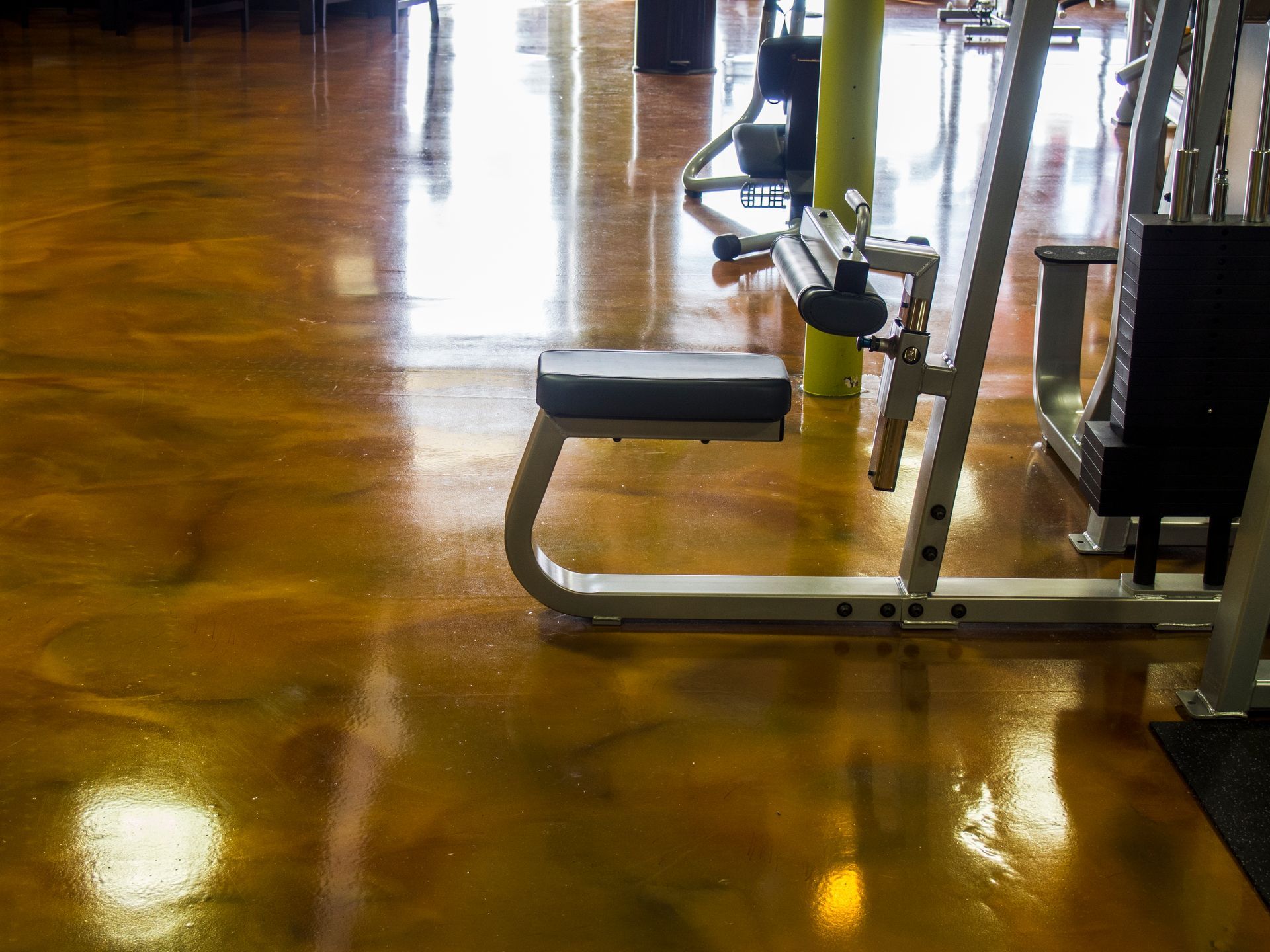
Epoxy flooring offers an impressive array of customization and design options to enhance the visual appeal of industrial spaces. Unlike traditional concrete or tile floors, epoxy can be tailored with various colors, patterns, and finishes to match a facility's branding or aesthetic preferences. This versatility allows companies to transform ordinary warehouse or factory settings into visually captivating environments. Such customization extends beyond aesthetics; it can improve motivational and mood aspects in an industrial setting by fostering a vibrant and stimulating workspace. By adopting epoxy flooring, facilities can achieve a professional look that aligns with modern industrial standards.
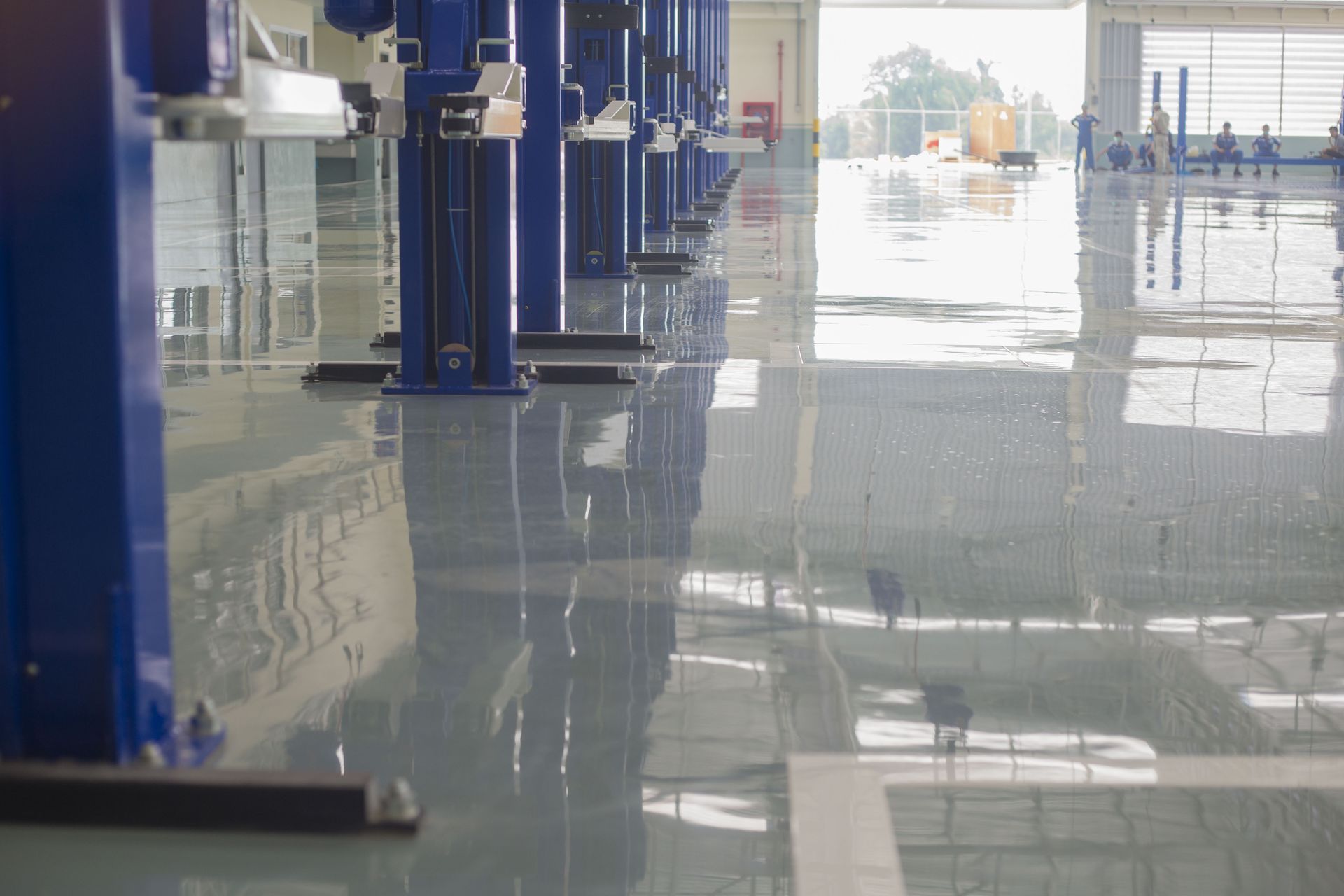
The ability to tailor design options provides new opportunities for businesses to express their identity through their physical spaces. This level of attention to visual presentation sets a positive tone within a facility, boosting morale and potentially drawing favorable attention during external audits or customer visits. Facilities with branded or aesthetically pleasing floors can enhance the perception of their professionalism and attention to detail. Furthermore, the reflective properties of epoxy add a glossy finish that can enhance natural and artificial lighting, creating an inviting and brighter environment. Companies that delve into the potential of industrial epoxy flooring ensure a cultural and organizational impact that extends beyond simple practicality.
Moreover, the transition from drab concrete surfaces to artistically designed epoxy floors can significantly invigorate older spaces. Rejuvenating work areas with fresh, modern aesthetics can redefine employee perceptions and lead to more positive workplace experiences. These design possibilities cater to evolving businesses that wish to leave a lasting impression through visually striking industrial environments. Enhanced aesthetics also play a subtle but important role in fostering a more unified company culture, as the physical workspace aligns with the brand's identity and values. Industrial facilities, therefore, can showcase their commitment not only to performance but also to employee satisfaction and brand presence through well-designed epoxy flooring.
Cost Benefits
Long-Term Investment
Investing in industrial epoxy flooring is a strategic long-term financial decision, as its durability leads to substantial cost benefits over time. Initially, companies might be wary of the higher upfront costs associated with epoxy installation compared to alternative materials. However, the long-lasting nature and minimal maintenance needs of epoxy floors offer substantial return on investment. Frequent repair costs, which are common with traditional flooring, are substantially reduced with epoxy's durable surface. Consequently, facilities equipped with epoxy enjoy consistent financial savings attributed to fewer maintenance interventions and reduced equipment downtime due to flooring issues.
The financial gains derived from epoxy flooring are further complemented by its enhancement of operational efficiency. Simply put, when downtime is minimized, production processes remain consistent, maximizing output, and profitability. A facility's future-focused mindset is reflected by choosing epoxy, which demonstrates a commitment to sustainable growth and a stable industrial environment. This proactive approach shields businesses from unforeseen repair expenses and total floor replacements, further magnifying the prudence of this investment. Accordingly, the choice of epoxy flooring not only translates to a cost-efficient solution but also a foundation for sustained capital gains.
Furthermore, epoxy flooring provides businesses with the ability to allocate budget savings to key operational areas. Less financial stress related to floor maintenance allows companies to direct resources toward innovative projects or other crucial aspects of their business. In a world where efficiency is indispensable, the lower cost-to-benefit ratio of epoxy floors positions it as an economically sound decision. Facilities embracing epoxy gain strong economic and logistical advantages, securing long-term operational gains and reinforcing their commitment to financial stewardship.
Environmental Impact
Sustainable Material Options
In recent years, sustainable materials have become increasingly important in industrial applications due to growing environmental concerns. Epoxy flooring is a green choice that adheres to this ethos, thanks in part to the availability of environmentally friendly materials. Many epoxy products now feature low volatile organic compounds (VOCs) and adhere to eco-friendly practices, ensuring minimal negative environmental impact. By choosing sustainable epoxy, companies not only meet their industrial flooring needs but also contribute to broader environmental stewardship goals. The eco-friendly properties of epoxy flooring align with corporate sustainability initiatives and promote responsible ecological behavior.
The increased focus on sustainability extends to the materials' influence on human health and industrial safety. Epoxy solutions with low VOCs and minimal emissions ensure safer indoor air quality, protecting workers from the risks associated with harmful substances. In industries where chemical exposure is a concern, low-emission epoxy plays an integral role in preserving employee wellness. Companies thus demonstrate a commitment to both environmental and employee safety by selecting such responsible materials. Moreover, these practices enhance the brand image by signaling a dedication to corporate social responsibility.
Sustainability initiatives highlight the importance of partnerships with epoxy suppliers who share an eco-conscious philosophy. Epoxy flooring's compatibility with sustainable practices reflects positively on the corporate image, enhancing both brand identity and consumer appeal. As more industrial operations strive to balance performance with sustainability, epoxy flooring offers the dual benefits of durability and environmental conscientiousness. Emphasizing these aspects allows facilities to take advantage of potential market advantages including regulatory compliance, enhanced consumer trust, and alignment with global green building standards. Consequently, companies committed to sustainable initiatives provide long-term benefits not only to the environment but also to their organizational goals.
Compatibility with Green Building Standards
The increasing focus on sustainable building practices has necessitated compatibility with various green building standards, a need effectively fulfilled by epoxy flooring. Certifications like LEED are increasingly valued, and epoxy flooring can contribute significantly toward meeting these standards. Specifically, epoxy coatings can enhance indoor environmental quality, support sustainable site practices, and encourage optimal energy performance. The reflective surfaces typical of epoxy flooring contribute to improved illumination levels, decreasing the need for artificial lighting and, subsequently, energy consumption. As industries aim to meet stringent environmental criteria, epoxy flooring becomes an integral part of achieving relevant green building certifications.
Facilities aiming for LEED certification may acquire points in multiple categories by integrating epoxy flooring into their infrastructure. Epoxy's low pollutant emissions positively impact indoor air quality, where toxic emissions could otherwise obstruct LEED qualification. Furthermore, if responsibly sourced and manufactured, epoxy materials can contribute credits toward responsible sourcing and resource management. These contributions not only satisfy immediate certification needs but also pave the way for sustainable operational growth aligned with contemporary environmental expectations. As industries strive for cost-efficient, eco-compatible solutions, epoxy flooring's role in LEED compliance offers clear financial and environmental synergies.
Being compliant with green building standards not only exemplifies operational responsibility but also sets a benchmark for industry peers and partners to follow. Eco-friendly initiatives earn companies long-term benefits, including increased marketability and improved community relations. Clients prioritize partnerships with environmentally responsible entities, which fosters further industrial growth and opportunity. Epoxy flooring thus reflects a broader business strategy aimed at integrating sustainable practices without compromising operational efficiency or aesthetic appeal. As regulatory frameworks become more environmentally demanding, epoxy flooring represents an adaptable, advantageous choice for forward-thinking facilities.
Installation Considerations
Preparation and Surface Evaluation
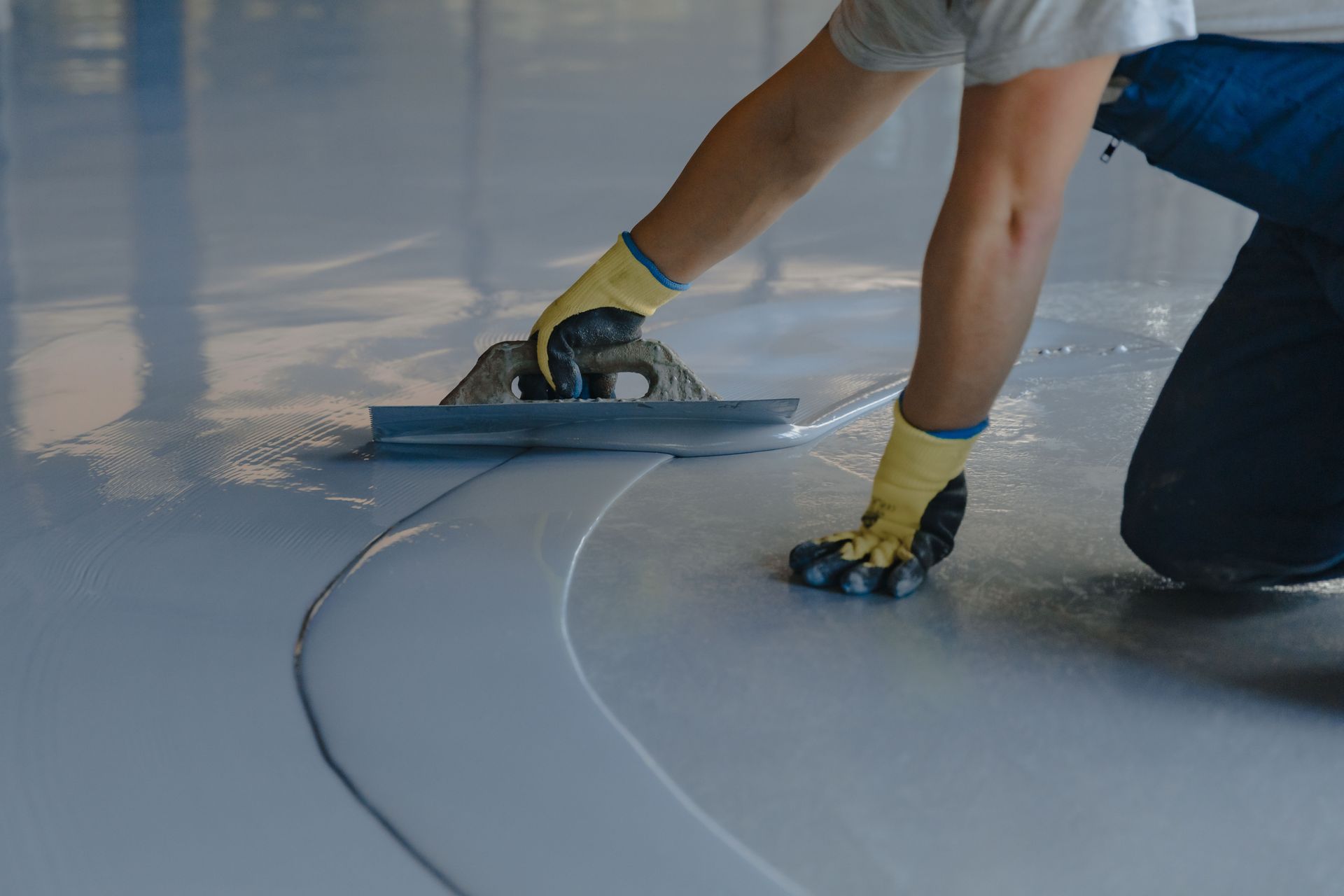
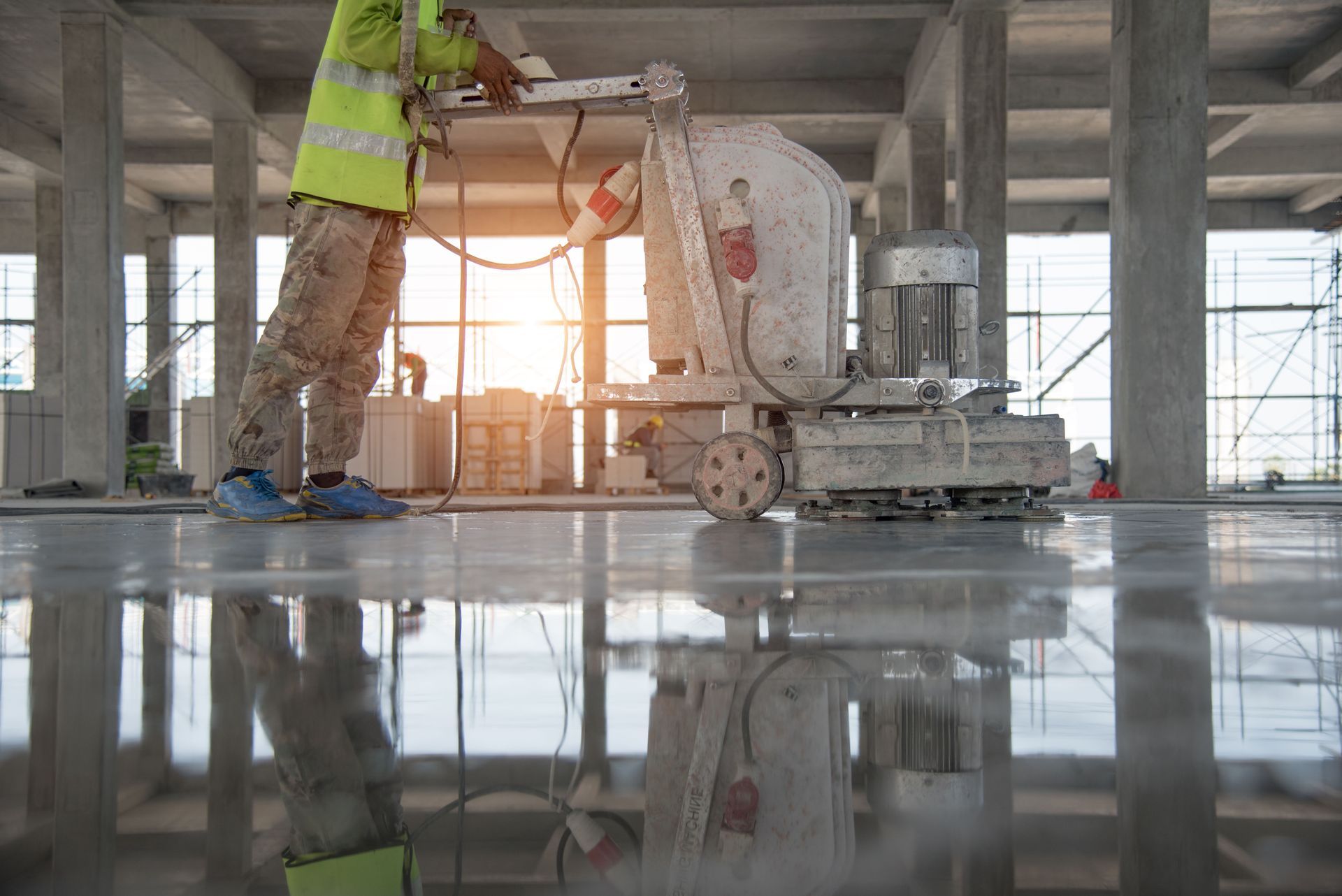
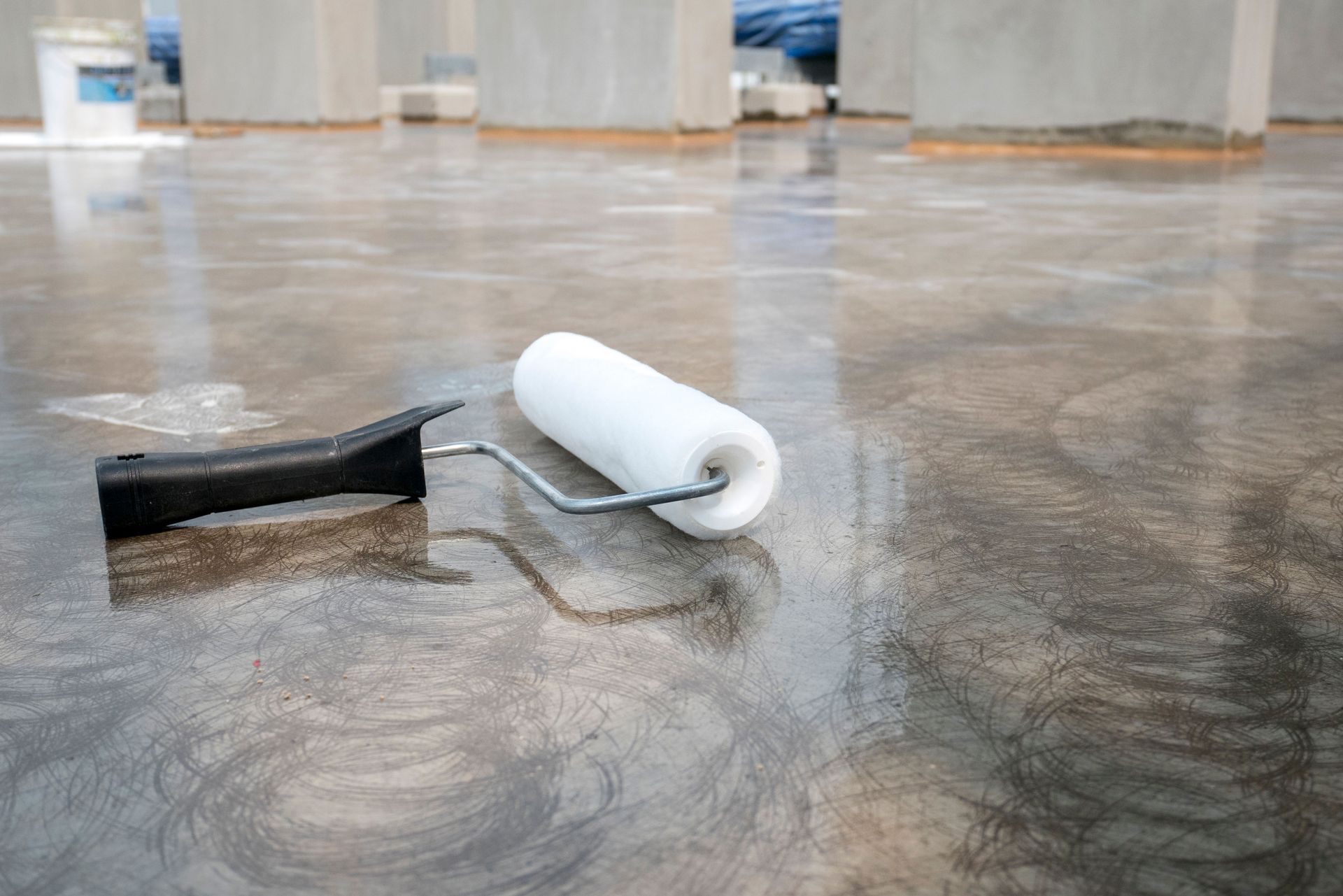
Successful epoxy flooring installation depends on meticulous preparation and accurate surface evaluation. The first step is to thoroughly clean the area, removing any dust, debris, or existing coatings. Proper surface preparation is essential to ensure the epoxy's adhesion and long-term performance, minimizing the risk of peeling or bubbling over time. Next, assessing floor conditions will determine any necessary surface repairs to create an ideal base for epoxy application. This meticulous preparation process might include filling cracks, grinding uneven sections, or applying a primer to facilitate strong bonding, ultimately leading to a durable, flawless installation.
Surface evaluation often extends to assessing moisture levels in the concrete, a critical component for accurate installation. Excessive moisture can impede the setting process of epoxy and lead to potential delamination issues, so facilities often conduct moisture tests as part of preparation. Once evaluated, establishing a clean, dry surface enables optimal epoxy performance, deterioration prevention, and efficient curing times. Additionally, comprehensive surface inspections represent a preventive practice, anticipating potential issues before they arise, thus minimizing installation challenges. Through disciplined surface evaluation, companies achieve higher-quality installations, ensuring lasting performance and optimal functionality of their epoxy floors.
Furthermore, determining the appropriate epoxy formulation involves a detailed analysis of the facility's specific needs. From chemical exposure risks to temperature variations, understanding the industrial setting facilitates the selection of the most suitable epoxy type. In particular, consideration of operational activity levels will inform decisions regarding resin thickness, slip-resistant additives, or additional coatings for particular requirements. Consultation with professional installers aids in navigating these complexities, leveraging industry knowledge to align product selection with precise operational needs. Thoughtful consideration of preparation and surface evaluation ultimately enhances successful installation outcomes, offering reliable, long-term flooring solutions tailored to industrial demands.
As you can see, there are many reasons why industrial epoxy flooring is essential for warehouses and factories. This coating ensures longevity, safety, and more. If you're looking for epoxy floorign services, contact Elite Crete Systems Florida today.
Share On: